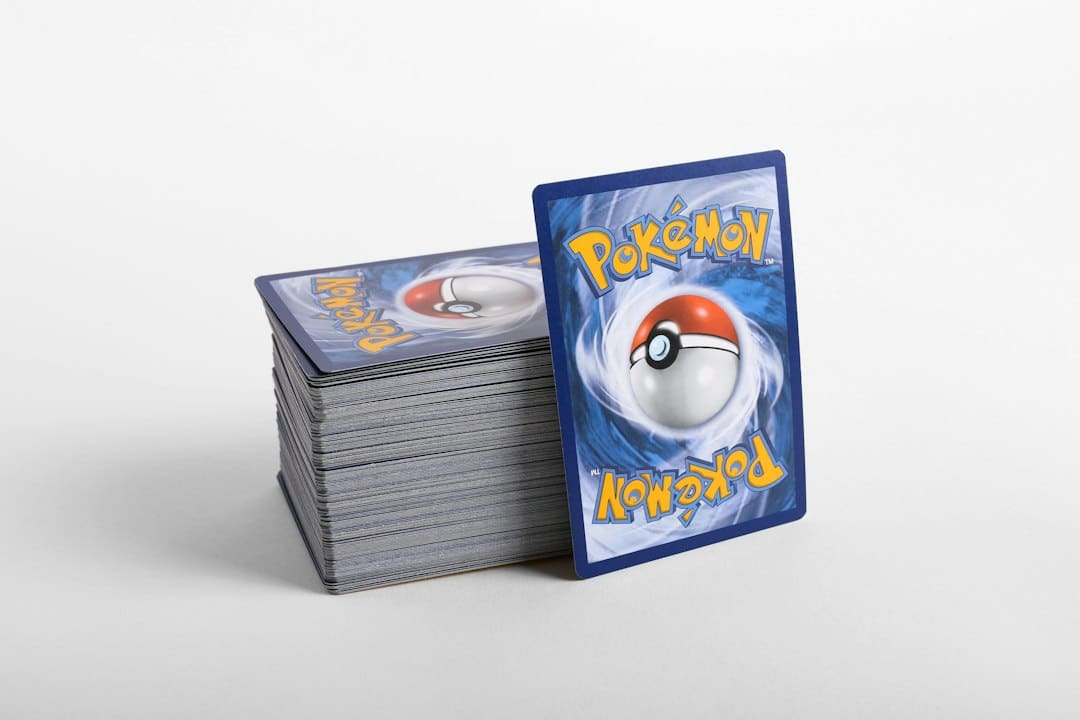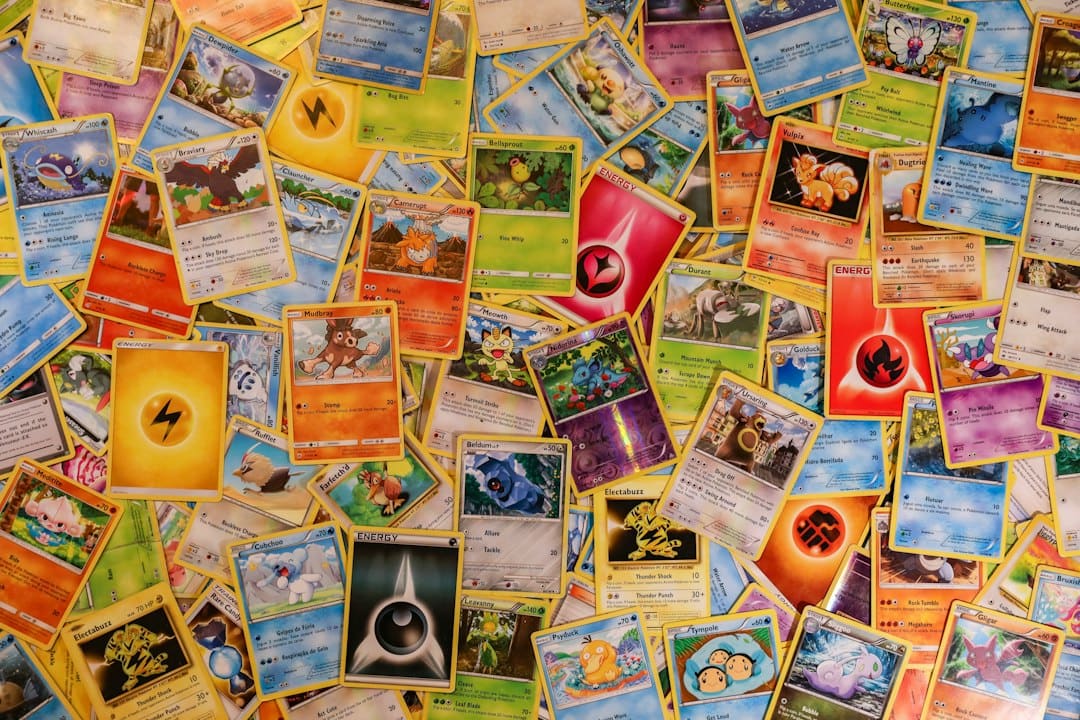

The Big Dilemma: Should You Touch That Vintage Holo?
We have all been there. You dig out an old, beat-up binder from your parents' dusty loft, or you finally win an auction for an original Base Set Charizard, only to discover that the foil looks foggy, sticky, or coated in two decades of mystery grime 🤯. Your immediate instinct is simple: can I just wipe this off with my sleeve?
When it comes to preserving precious childhood memories or high-value grails, Pokémon card cleaning can feel like walking blindfolded through a minefield. One wrong flick of a coarse kitchen towel, or a drop of some dodgy chemical cocktail you saw on a Reddit thread, can strip delicate holographic foil, separate cardboard plies, or reduce a four-figure treasure to worthless scrap paper 📉.
If you find yourself asking should I clean my Pokémon cards, the short answer is yes—but only if you know your limits, respect the original card stock, and set aside the harsh domestic detergents.
At our UK workshop, we see the heartbreak caused by well-meaning DIY attempts all the time. Enthusiastic collectors often mix up basic kitchen cleaning with delicate paper conservation. Genuine Pokémon card care demands zen-like patience, feather-light hands, and an intimate understanding of how trading cards are actually built: three wafer-thin paper plies laminated with adhesive, subtle mineral inks, and micro-thin metallic foils ✨.
Before you sprint over to the kitchen sink with a bottle of washing-up liquid, take a breath. You can explore how dedicated conservation techniques work with YIAN Card Restore to discover how professional card restoration preserves vintage gems safely without risking irreversible chemical burns.
Why Do Cards Get Dirty in the First Place?
Let us be completely fair to our cards: they lived through the trenches 🛡️. Back in the late nineties and early noughties, nobody was double-sleeving playground decks in Japanese inner sleeves or locking them away in humidity-controlled Pelican cases. We crammed them raw into school blazer pockets, traded them across gravelly school playgrounds, and threw down matches on sticky kitchen tables right next to half-eaten plates of jam toast.
Card grime generally gathers in three distinct layers:
- Organic oils and fingerprints: Every time bare skin touches raw paper, you deposit microscopic traces of sebum and sweat. Over years, these oils oxidise, turn faint amber, and act like natural flypaper for household dust.
- Environmental muck: Dust motes, fireplace soot, cooking fumes, tobacco residue, and ambient moisture settle across unprotected binders left sitting on high shelves for twenty-five years.
- Binder plasticiser haze: Those vintage 9-pocket pages from the nineties? Most were packed with polyvinyl chloride (PVC). As PVC ages, it breaks down and sweats plasticisers, leaving a cloudy, sticky film that dulls vibrant holofoils.
When you discover how to track, value, and protect your Pokémon cards, you quickly realise that thick grime does more than look ugly—it hides a card's authentic surface condition, turning routine value checks into a confusing guessing game.
How to Clean Pokémon Cards at Home: What Is Safe and What Destroys Them?
Type how to clean Pokémon cards into YouTube, and you will fall down a rabbit hole of chaotic home experiments 🧪. You will find people slathering cards in peanut butter, scrub pads, glass cleaners, or hand sanitiser. Stop right there! Let us draw an absolute line in the sand between gentle, dry maintenance and catastrophic DIY chemistry.
The Safe Zone: Dry Maintenance
If you plan to spruce up cards at your own desk, keep your methods 100% non-invasive. You do not need exotic chemicals to lift basic surface debris.
- The Air Puffer First: Never touch a dusty card with a cloth right away! Hard dust particles act just like tiny grains of sand. If you press a cloth down on grit, you will drag it straight across the foil, etching permanent spiderweb scratches. Use a rubber photographer's bulb blower to puff loose particles away first 💨.
- Ultra-Soft Camera or Cosmetic Brushes: A brand-new, super-soft goat-hair or synthetic makeup brush works miracles on stubborn lint sitting along the card borders. Lightly sweep outwards toward the edge.
- High-Grade Microfibre: Grab a clean, lint-free optical microfibre cloth (the silky kind designed for multi-coated camera lenses, not the thick, looped varieties used to wash cars). Lay your card flat on a spotless, padded playmat. Using zero downward pressure, gently sweep the cloth from the centre of the card outwards. Let the fibres lift the film naturally.
The Danger Zone: Avoid These Costly Mistakes 🚫
We speak with heartbroken collectors every single week who destroyed childhood treasures by using well-meaning household cleaning hacks. Here is our official workshop wall of shame:
| Dangerous Household Item | Why It Destroys Cards | The Irreversible Damage |
|---|---|---|
| Rubbing Alcohol (IPA) | Dissolves natural card sealants and varnishes | Strips yellow border pigments down to white pulp |
| Magic Erasers (Melamine) | A hard micro-abrasive network equivalent to 3000-grit sandpaper | Shaves off gloss layers, destroys holos, leaves matte scuffs |
| Furniture Polish / Wax | Packed with petroleum distillates, silicons, and perfumes | Traps internal moisture, turns paper greasy, smells artificial |
| Water Soaking | Swells cellulose paper fibres instantly | Delaminates layers, creates paper ripples, causes warping |
| Window Cleaner / Bleach | Harsh alkaline formulas attack organic inks | Fades rich artwork, causes blue-back fading, discolours borders |
Curious whether your favourite card can still be rescued from an accidental spill, stuck binder gunk, or light surface scuffs? You can message the workshop on WhatsApp to get candid, realistic guidance before risking an experimental home cure 📱.
The Big Debate: Card Cleaning Before Grading
Nothing sparks hotter arguments across hobby discords, forums, and card shows than card cleaning before grading ⚖️. Some purists insist cards must remain frozen in time—even if that time includes someone's dried soda splash from 1999. Others believe cards should be presented at their absolute best. Let us slice through the noise and look at how modern grading companies actually operate.
Personal Collection vs. The Grading Slab
At YIAN, we see card collecting through a simple, sensible lens: context is everything.
If a card is heading into your private binder, whether you want an imperfection restored is entirely your own call. Our responsibility as conservators is to meet your personal aesthetic goals, revitalising your cards so you can proudly display them on your desk or flip through them with your kids without wincing at old grease stains.
When your sights are set on third-party grading (such as PSA, CGC, or Beckett), personal opinions take a back seat. The only standard that matters is the published rubric of your chosen grading house. Safe conservation removes foreign, non-original contaminants (like sticky grease or surface soot) without altering the physical paper structure or original factory inks.
Because of this, we assess every single submission individually. We will explain upfront which gentle techniques align comfortably with grading guidelines, and which processes risk an "Altered" flag.
Realistic Expectations and Grading Policies
Let us share some plain workshop truths that dishonest repair outfits like to sweep under the rug:
- Grading is inherently subjective: Graders are human beings working under bright lamps with magnifying visors. Eye fatigue, varying shifts, and different company philosophies mean opinions fluctuate.
- Standards evolve over time: A method quietly accepted two years ago might be scrutinised under new digital imaging tools today.
- Nobody can guarantee a numerical grade: If any restoration outfit promises your card will return as an automatic PSA 10 gem mint, grab your collection and run. True conservation improves surface presentation; it cannot alter factory print centering or magically regrow sheared corners.
Before you spend hard-earned cash on grading fees, check your card's current market value using the Pokémon card tools for your collection to determine whether professional conservation makes financial sense. To take a deeper look at grading mechanics, dive into our expert breakdown on card cleaning before grading to make an informed, confident move 🔍.
Safety Notice: Always review your target grading service's latest terms regarding alteration. Aggressive chemical soaking or unauthorised pigment additions can result in cards being rejected without a numeric grade.
How YIAN Card Restore Approaches Conservation
We are not a faceless drop-shipping hub or an anonymous postbox. We are an independent, craft-led UK workshop restoring vintage cards one by one for passionate collectors across the United Kingdom, Europe, North America, and beyond 🌍. We treat every single card as an irreplaceable cultural artefact.
1. Simple, Transparent Pricing
We despise predatory value-based pricing. Why should you pay three times as much to clean a Base Set Charizard compared to a Base Set Machamp when both take the exact same bench time and focus? Our professional restoration is a flat £30 per card plus postage (handling batches up to 12 cards per quote) 🏷️.
2. The Transparent Workshop Flow
Handing your prized cards over to a postal service can be nerve-wracking. That is why we track and document every single phase of our work:
- The Free Photographic Assessment: Snap two crisp photos (front and back, out of sleeves) and submit them through our online restoration quote page. We reply within two working days with an honest, realistic breakdown of what can—and cannot—be improved.
- Filmed Intake & Studio Photos: The moment your package lands on our bench, we film the unboxing and snap ultra-high-resolution intake pictures under neutral balance lighting.
- Complete Owner Approval: We explain our exact plan of attack. If you feel uncomfortable with any step, the card stays untouched and comes straight home.
- Six Documented Milestones: Every piece moves through six verified steps: Received, Photographed, Approved, Restored, Inspected, and Returned.
- Tracked, Armoured Return: We pack cards like small tanks, using premium top-loaders, rigid cardboard shields, and fully tracked, insured shipping services.
3. Non-Invasive Techniques by Default
Our standard restoration adds zero foreign substances to your card. We gently lift surface grime, ease holographic micro-scratches, minimise light foil clouding, relax surface indentations, and work out minor corner bends using specialist dry-transfer weights and humidity-controlled paper presses.
For private display collections, we also offer an optional, precision colour touch-up for small white nicks (up to 1mm) along blue back edges or classic yellow front borders. We never hide this work: it is clearly stated, documented, and carried out only upon explicit request.
Curious to see what careful manual conservation looks like up close? You can watch real before-and-afters from the workshop on TikTok @yian.uk to see battered vintage holos brought back to life 🎬.
Honest Boundaries: What Cannot Be Fixed
True craftspeople know their limits. Paper is an organic, fibrous material. Once internal structural fibres snap or separate, no magic wand can undo that physics. We will always tell you plainly if a card is beyond help before you waste money on shipping fees:
- Fractured Paper Creases: When a hard bend causes the inner paper fibres to snap—leaving a white line across the card face—the paper core is permanently split. We can flatten the bump so the card lies flush in a binder, but the optical white stress fracture will always show.
- Substantial Ink Loss: While we can touch up tiny 1mm corner scuffs on request, large swaths of rubbed-off ink cannot be recreated without fundamentally compromising the original work.
- Liquid Tidemarks & Swelling: If a card went through the wash or absorbed coffee, the capillary action of paper fibres pulls moisture deep into the core. This warps the plies unevenly, leaving stubborn tide lines that cannot be extracted.
- Tears and Missing Paper: Cards with torn margins or missing paper layers cannot be seamlessly rewoven.
Before you invest in restoring a badly damaged card, check out the YIAN Card Tools to track your collection's value so you can make informed decisions grounded in actual market realities 📊.
Supporting Young Hobbyists: The Kids Free Programme
We fell in love with Pokémon on school playgrounds in 1999, trading cards out of our pockets and playing matches on cold concrete. That pure, wide-eyed excitement keeps the hobby alive today, and we believe the next generation of young Pokémon trainers deserves the very same magic ✨.
Young collectors do not worry about pristine condition grades—they play hard with their favourite companions, carry them around in pencil cases, and occasionally leave them in school trousers that head straight into the washing machine.
Through our Kids Free initiative, children under 16 can have an eligible, well-loved card restored by our workshop with zero labour charges (parents cover return tracked postage only). This programme is powered entirely by the generosity of the wider card community: fantastic collectors who sponsor a kid's card, add a small tip to their restoration quote, or buy the workshop a coffee.
Got a youngster at home with an exhausted Charizard, Pikachu, or Mewtwo that needs some TLC? You can send two photos for a free restoration quote to see if their battle-worn card qualifies for our community-funded programme 🎁.
Real Voices from the Hobby: Verified Customer Experiences
We take enormous pride in our transparent process, realistic communication, and careful bench work. Here is what fellow collectors have to say after getting their cards safely restored with us:
"I sent two retro Pokémon cards to Yian for repairs and cleaning, and I couldn’t be happier with the results—they look like new! She kept me informed throughout the process, explaining what needed repairing and providing regular updates and detailed reports. Amazing work and excellent communication. I’ll definitely be using Yian again. Thank you!"
— Andrew Dave, UK ⭐⭐⭐⭐⭐"Absolutely Amazing service from start to finish, would happily recommend to anyone wanting to bring life back to their Pokémon cards… Have sent 3 cards up to now and have more to send. A thoroughly transparent and efficient service throughout."
— James Kean, UK ⭐⭐⭐⭐⭐
Summary Checklist: Safe Pokémon Card Care
Before you pick up a cloth or open a bottle of cleaner, run through this quick workshop checklist to make sure your collection stays safe:
- [ ] Identify the Destination: Are you restoring this card for personal binder enjoyment, or submitting it to an authentication firm like PSA, CGC, or BGS?
- [ ] Inspect the Surface Dirt: Is it loose, dry attic dust, or an oily, sticky fingerprint film?
- [ ] Banish Domestic Liquids: Put away the window sprays, rubbing alcohol, furniture polishes, and miracle sponges.
- [ ] Use the Correct Equipment: Stick to optical-grade lens microfibres, clean air puffers, and soft camera brushes.
- [ ] Blow Before You Wipe: Always puff away hard, loose dust particles before applying a cloth to avoid micro-scratching holographic surfaces.
- [ ] Know When to Stop: If you spot deep paper creases, liquid water swelling, or peeling paper layers, put the card down.
Treat your vintage collection with the care and patience it deserves. Avoid harsh household shortcuts, embrace non-invasive techniques, and when in doubt, seek guidance from dedicated Pokémon card restoration specialists who care about preserving gaming history just as much as you do 🌟.