Topic · 1 article

Pokémon card cleaning

Articles from the YIAN workshop on pokémon card cleaning: practical, honest advice for Pokémon card collectors in the UK and beyond.

Pokémon card cleaning articles

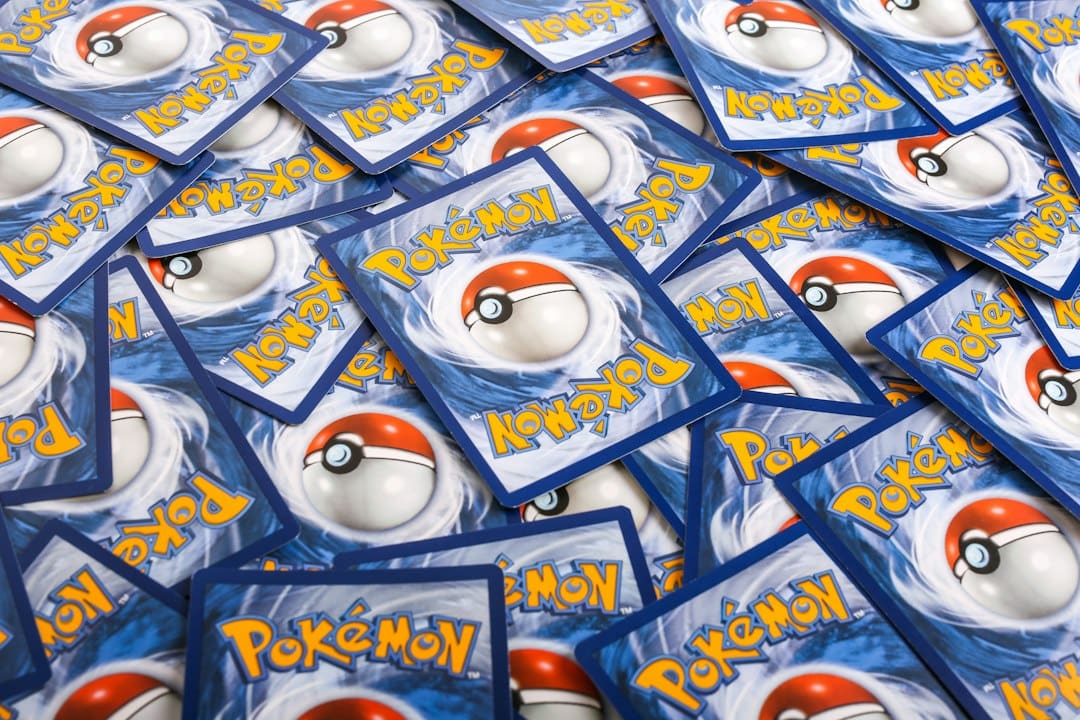
a pile of pokemon trading cards sitting on top of each other

Pokémon card care

Should You Clean Your Pokémon Cards? Expert Workshop Advice from YIAN

Find out when cleaning your Pokémon cards is safe, which DIY mistakes cause permanent harm, and how YIAN balances non-invasive conservation with realistic grading expectations.

12 min read

About this topic

Pokémon Card Cleaning: Safe Conservation and Workshop Advice

Dust, finger grease, and grime naturally accumulate on vintage and modern Pokémon cards over years of handling. While it is tempting to wipe a beloved card clean with household products, card stock is delicate and easily damaged. Pokémon cards consist of layered paper and thin foil finishes that react badly to common liquids, rough cloths, and abrasive cleaners. Learning safe, sensible handling methods ensures you improve eye appeal without permanently degrading the card.

A dry, light approach is the only safe place to start at home. Using a clean, dry microfibre cloth to gently lift surface dust is usually harmless if you work with minimal pressure and avoid lifting loose foil edges. The biggest risk comes from moisture, chemical sprays, alcohol wipes, or abrasive rubbers. These substances readily seep into raw edges, swell card layers, and strip off delicate gloss or ink, causing irreversible harm that drops both sentimental and financial value.

For cards with stubborn dirt, sticky residue, or age grime, professional workshop handling provides a safer path. Professional conservation relies on controlled, non-invasive techniques that clean away contaminants without adding foreign coatings or altering structural fibers. At YIAN, our Kent workshop assesses cards individually, ensuring any cleaning preserves the integrity of the original card stock while keeping collectors fully informed of the realistic results.

Before deciding to clean any card, consider its ultimate destination. For your personal binder, how you maintain your collection is entirely your choice. If you intend to submit the card for professional grading, remember that third-party grading companies apply their own distinct criteria regarding surface condition and alterations. Work should never be hidden from a grader or future buyer, so always check your chosen grading service's current guidelines before starting.
FAQ

Pokémon card cleaning: frequently asked questions

Short answers to what collectors ask us most about this.

Can I use water or damp wipes to clean a Pokémon card?

You should avoid water, wet wipes, and household cleaning liquids entirely. Pokémon cards are manufactured from porous paper layers that readily absorb liquids, especially along the cut edges where raw stock is exposed.

Even a tiny amount of moisture can lead to permanent swelling, surface warping, ink discolouration, or clouding on the foil layer. Once liquid penetrates the paper core, the damage cannot be reversed.

What is the safest way to clean a card at home?

The safest domestic method involves a clean, dry, lint-free microfibre cloth. Lay the card on a smooth, clean mat and use exceptionally light, sweeping motions across the surface from the centre outwards.

Never scrub back and forth or press down firmly, as trapped dust particles can create fine scratches. If surface dirt does not lift easily with light dry contact, stop before causing permanent scuffs.

Does cleaning a Pokémon card count as alteration?

In the context of third-party grading, different companies maintain their own standards for what constitutes surface cleaning versus an unacceptable alteration. Lightly removing loose surface debris is often accepted, but aggressive cleaning or liquid treatments risk being flagged.

A grade represents one grading company's opinion on a single day. Cleaned or conserved cards can still be submitted, but you should never conceal work from a grader and must check the company's current policy.

How does professional card cleaning differ from DIY methods?

Professional conservation takes place under controlled conditions using specialised tools designed specifically for delicate trading card surfaces. Technicians carefully distinguish between surface grime, print flaws, and physical wear to prevent accidental damage.

At YIAN, every card sent to our Kent workshop is assessed in hand and photographed under high magnification before any non-invasive cleaning begins, ensuring surface residues are safely removed without trimming, painting, or applying chemical sealants.

Can cleaning remove scratches from the holographic foil?

Cleaning lifts loose dirt, grime, and fingerprints, but it cannot remove physical material loss such as deep gouges or missing foil. Scratches are actual structural breaks in the card's reflective surface layer.

Non-invasive workshop methods can sometimes ease the visual impact of very minor surface wear, but true scratches remain part of the card's history. Reputable conservation never uses synthetic polishes or sealants to fill in scratches.

Will cleaning a card guarantee a higher grade?

No service can honestly promise a higher grade, a specific grade increase, or even acceptance by a grading service. Grading companies judge centering, corners, edges, and surface independently according to their own shifting standards.

While removing dust or fingerprints may improve overall eye appeal, hidden scratches or original manufacturing print defects can become more visible once the surface is clean. Always manage your expectations before submitting cards.

Can old sticky residue or tape marks be removed?

Old adhesive residue from tape or stickers is difficult and hazardous to remove at home. Adhesives harden over time and chemically bond with the top layer of paper, meaning scraping will pull ink away.

Experienced conservators can often lift sticky surface residues using careful mechanical methods without adding harsh chemical solvents. However, if adhesive has fully stained or degraded the underlying paper, complete restoration may not be possible.

How should I clean cards with textured or modern full-art finishes?

Modern textured cards feature complex ridges that easily trap dust and oils within the micro-grooves. Cleaning these cards with standard wipes or rough cloths will flatten the delicate ridges or snag the edges.

Use only a dry, soft-bristled brush or a light puff of clean air to dislodge trapped particles. Avoid rubbing the texture firmly, as doing so can create shine spots or rub away the matte finish.

What should I do if my child's favourite card is very dirty?

Children often carry their favourite cards everywhere, leading to sticky food spots, heavy grime, and minor creasing. Rather than washing the card with soap and water, gently pat the surface dry with a clean cloth.

For sentimental cards belonging to young collectors, professional help is an option. YIAN runs a Kids Free initiative that restores eligible children's cards with no service fee, safely lifting grime while keeping childhood memories intact.

Should I tell buyers or grading companies that a card has been cleaned?

Yes, transparency is an essential part of ethical collecting. If you have cleaned, conserved, or treated a card in any way, you should openly disclose that work whenever you sell or trade it.

Grading services also require honest submissions, and attempting to hide treatments can lead to rejected submissions or altered designations. Full disclosure protects your reputation and respects the next collector's wishes.

YIAN account

Welcome back

Sign in to manage your YIAN account.

or continue with email

New to YIAN?

Talk to the workshop

Ask about a card, restoration suitability, or anything else — we'll reply by email.

Want a price for a card?Restoration is £30 per card. Send two photos for a quote — no account needed.

£30 per card · no account needed

Get a restoration quote

Restoration is a fixed £30 per card, plus return postage. Send two photos and we'll confirm we can help, usually within two working days.

Photos of the card front and back, out of the sleeve

Restoration counts as alteration for PSA and CGC. We'll advise what's safe for a grading submission, and we never promise a grade.