Topic · 1 article

Should I clean my Pokémon cards

Articles from the YIAN workshop on should i clean my pokémon cards: practical, honest advice for Pokémon card collectors in the UK and beyond.

Should I clean my Pokémon cards articles

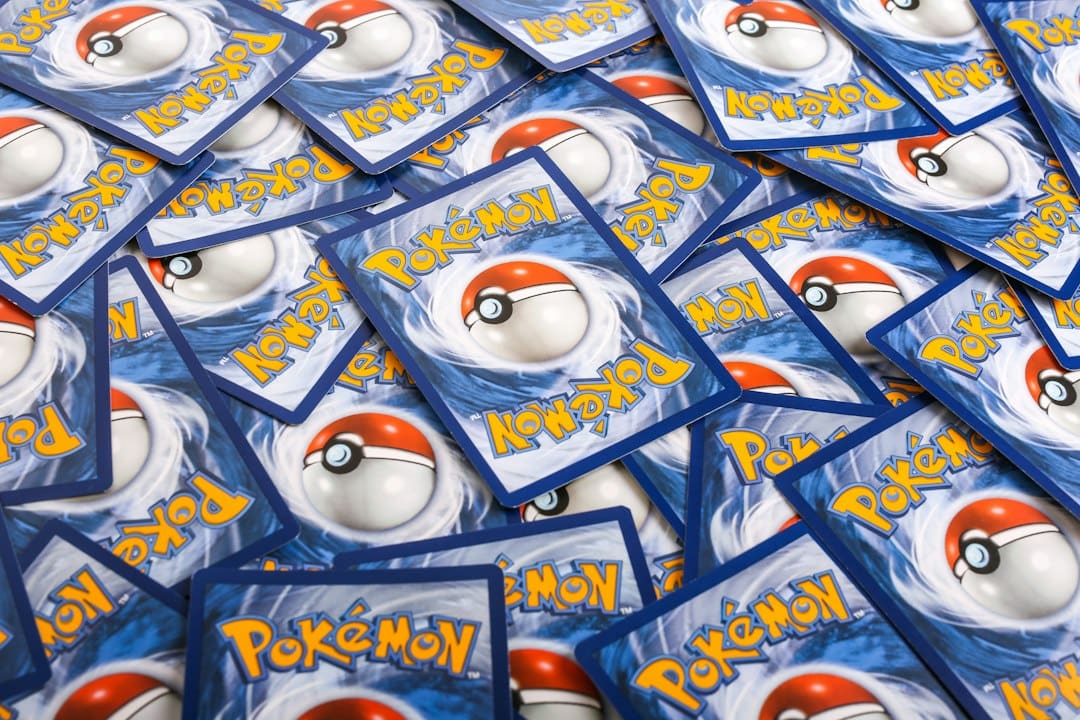
a pile of pokemon trading cards sitting on top of each other

Pokémon card care

Should You Clean Your Pokémon Cards? Expert Workshop Advice from YIAN

Find out when cleaning your Pokémon cards is safe, which DIY mistakes cause permanent harm, and how YIAN balances non-invasive conservation with realistic grading expectations.

12 min read

About this topic

Should You Clean Your Pokémon Cards? Expert Advice

Deciding whether to clean your Pokémon cards depends entirely on what is on the card and what you plan to do with it. Light surface grime, pocket dust, or minor fingerprint grease can often be safely removed, improving eye appeal significantly. However, raw card stock is delicate cellulose and ink, meaning any aggressive rubbing or moisture can easily strip the gloss or cause permanent staining. If a card is merely dusty, a gentle dry wipe with a clean microfibre cloth is often all that is needed.

Many collectors run into trouble when attempting common internet cleaning hacks. Applying water, chemical solvents, window cleaners, or abrasive sponges can instantly ruin a prized card. Liquid easily penetrates the exposed edges or tiny cracks in the gloss, causing the paper fibres to swell and warp. Once card stock absorbs moisture or ink layers dissolve, the damage cannot be reversed. You should never apply household cleaning agents or tap water to any vintage or modern Pokémon trading card.

Your ultimate goal for the card also dictates whether cleaning makes sense. For a personal binder, how you maintain your cards is entirely your own choice. If you intend to submit cards for third-party grading, proceed with caution. Grading companies treat cleaning and restoration under their own specific rules, and certain interventions might be considered alteration. At YIAN, we focus on non-invasive conservation techniques, helping collectors evaluate whether their cards can safely benefit from professional care before any work begins.
FAQ

Should I clean my Pokémon cards: frequently asked questions

Short answers to what collectors ask us most about this.

Can I use water or damp cloths to clean a Pokémon card?

Water is one of the quickest ways to ruin a trading card. Even a slightly damp cotton bud can introduce moisture into microscopic cracks on the surface or seep directly into the raw paper edges.

When card stock absorbs liquid, the paper fibres expand, creating irreversible warping, cloudiness, or permanent water stains. Always stick strictly to dry, gentle methods when attempting to remove dust at home.

Does cleaning a Pokémon card count as alteration for grading?

Grading companies such as PSA, BGS, and CGC each operate by their own specific standards. Some types of surface cleaning or residue removal may be treated as alteration, depending on how they are performed and what has been done to the card.

A grade is simply one company's opinion of a card on a single day. Some work carries a higher risk of being flagged than others. You should always review the grading company's current policy before submitting any card that has undergone treatment.

What is the safest way to remove light dust at home?

The safest approach is using a completely dry, clean, lint-free microfibre cloth, such as the kind designed for high-end camera lenses. Lay the card flat on a smooth, clean surface to prevent bending.

Gently glide the cloth across the card surface with minimal downward pressure, moving outward toward the borders. Never scrub back and forth vigorously, as trapped grit can scratch the card or dull the foil layer.

Can you clean holographic foil without scratching it?

Holographic foil is exceptionally soft and far more vulnerable to micro-scratching than standard printed card stock. Even fine household dust can act as an abrasive if rubbed firmly across the foil surface.

Specialist conservators use dedicated non-invasive dry methods to lift debris without grinding it into the foil. If a holo card has stuck residue or heavy grime, attempting to buff it out at home often results in severe clouding or fine scratches.

How can I tell the difference between surface dirt and permanent card damage?

Surface dirt usually sits visibly raised on top of the card's glossy coating, while damage affects the card material itself. You can examine the surface under a bright directional lamp at an angle to see if the mark casts a subtle shadow.

If ink has flaked away, the raw white or grey card core is exposed, which is physical wear rather than dirt. Similarly, dark marks caused by spilled liquids that have soaked into the paper fibres are stains and cannot simply be wiped away.

Will cleaning a card guarantee a higher grade?

No cleaning method can ever guarantee a higher grade or acceptance by any grading company. A grade reflects many factors beyond cleanliness, including factory centering, corner sharpness, edge wear, and structural integrity.

Never trust anyone who promises a guaranteed grade increase from cleaning. Every grading company applies its own standards independently, and a grade remains merely an opinion rendered at that particular moment in time.

How does professional card restoration differ from DIY cleaning?

Professional card conservation uses controlled, dry techniques designed to protect vintage inks and paper integrity without introducing chemicals. In contrast, DIY guides often suggest household supplies that strip gloss or leave chemical residues.

At YIAN, our workshop in Tonbridge, Kent, handles cards with non-invasive processes that clean surface dirt and ease minor dents without adding sealants or trimming edges. Every card is photographed and assessed in hand first so the owner can approve the specific plan.

What should I do if a card has sticky tape or adhesive residue on it?

Adhesive residue is notoriously difficult to remove because glues bind tightly to the card's printed surface over time. Attempting to peel or scratch off tape usually pulls away the top layer of printed artwork with it.

Solvents like nail polish remover or lighter fluid will dissolve the ink and leave greasy marks. Dealing with sticky residues requires delicate, specialised handling, and in many instances, it is safer to leave the residue alone rather than risk tearing the card face.

Should I tell a buyer or grading company if a card was cleaned?

Honesty and transparency are essential in the card collecting hobby. Work performed on a card should never be hidden from a grader, and collectors should openly disclose any cleaning or restoration when selling a card.

Different collectors and buyers hold varying personal views on whether a restored card counts as original. Full disclosure ensures trust and lets the next owner make an informed decision based on their own personal standards.

Can dirty cards belonging to children be cleaned safely?

Children's cards often collect sticky food marks, heavy pocket grime, and minor bends from genuine play. While light grime can often be cleaned, deep creases and worn edges are structural and will remain largely unchanged.

For sentimental cards owned by young collectors, safe conservation can restore meaningful eye appeal. YIAN offers a dedicated Kids Free programme that restores eligible children's cards without a service fee, helping preserve treasured cards for the next generation.

YIAN account

Welcome back

Sign in to manage your YIAN account.

or continue with email

New to YIAN?

Talk to the workshop

Ask about a card, restoration suitability, or anything else — we'll reply by email.

Want a price for a card?Restoration is £30 per card. Send two photos for a quote — no account needed.

£30 per card · no account needed

Get a restoration quote

Restoration is a fixed £30 per card, plus return postage. Send two photos and we'll confirm we can help, usually within two working days.

Photos of the card front and back, out of the sleeve

Restoration counts as alteration for PSA and CGC. We'll advise what's safe for a grading submission, and we never promise a grade.