Topic · 1 article

Pokémon card care

Articles from the YIAN workshop on pokémon card care: practical, honest advice for Pokémon card collectors in the UK and beyond.

Pokémon card care articles

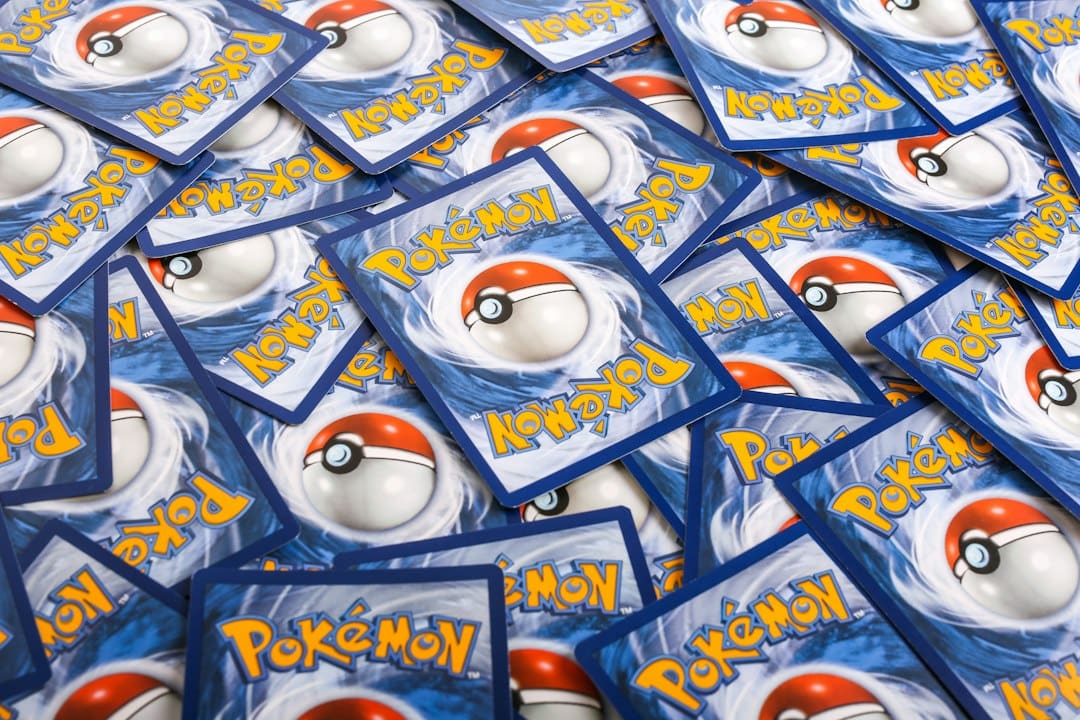
a pile of pokemon trading cards sitting on top of each other

Pokémon card care

Should You Clean Your Pokémon Cards? Expert Workshop Advice from YIAN

Find out when cleaning your Pokémon cards is safe, which DIY mistakes cause permanent harm, and how YIAN balances non-invasive conservation with realistic grading expectations.

12 min read

About this topic

Pokémon Card Care: Practical Protection and Preservation Guide

Caring for Pokémon cards properly prevents accidental wear, preserves sentimental value, and keeps your favourite cards presentable for years to come. Whether managing a childhood binder or a modern collection, everyday handling presents the greatest threat to card condition. Natural oils from your fingertips, ambient moisture, direct sunlight, and abrasive dust can all gradually degrade cardboard stock and delicate holographic foil. Establishing safe storage habits early protects your cards from avoidable surface scratches, edge chipping, and fading.

The foundation of proper care begins with clean hands and the right protective materials. Always handle cards strictly by their edges after washing and drying your hands thoroughly. Place individual cards into soft, acid-free polypropylene inner sleeves, often called penny sleeves, before sliding them into rigid top loaders or side-loading binder pages. Avoid cheap PVC plastics, which release acidic plasticisers over time that can stick to foil surfaces and cause irreversible clouding or discolouration.

Environmental control matters just as much as protective sleeves. Store your cards flat or upright without excessive pressure in a cool, dry room away from radiators, exterior walls, and direct sunlight. Significant fluctuations in humidity often cause cards to curl, especially holographic prints that react quickly to moisture in the air. Keeping silica gel packets near storage boxes helps manage ambient moisture without drying the card stock out entirely.

When a cherished card already shows signs of dirt, light surface marks, or warping, resist the urge to use household remedies like wet wipes or solvents. In Tonbridge, Kent, professional restoration workshop YIAN assists collectors by carefully cleaning grime and easing minor bends using controlled, non-invasive techniques. Knowing when to simply preserve a card and when professional conservation can help ensures your collection stays in the best possible shape without risking permanent damage.

FAQ

Pokémon card care: frequently asked questions

Short answers to what collectors ask us most about this.

What is the best way to sleeve a Pokémon card?

Always insert the card into an acid-free, non-PVC soft sleeve first, sliding it in gently from the top corners to avoid catching the edges. Make sure the sleeve fits comfortably without forcing the card stock.

For valuable cards, place the sleeved card into a clean, rigid top loader or a semi-rigid holder. Some collectors prefer double-sleeving with an exact-fit inner sleeve inserted upside down inside a standard deck sleeve to keep out dust completely.

How should I store my Pokémon card collection at home?

Keep your collection in a dark, temperature-controlled room away from direct sunlight, draughts, and damp areas like basements or attics. Extreme temperatures and humidity cause cardboard to warp, curl, or develop mould over time.

Store binders upright rather than stacked flat on top of one another. Heavy stacks put uneven pressure on cards, which can imprint binder ring shapes or push grit into the card surfaces.

Can I flatten curled or warped foil cards safely?

Curling in holographic cards usually happens because the metal foil layer expands or contracts at a different rate than the paper backing when humidity shifts. Placing the card in a stable environment with moderate humidity often helps it relax naturally.

You can also place the sleeved card between clean, smooth boards underneath a heavy, flat book for several days. Never use direct heat from hair dryers or irons, as heat permanently damages the card adhesive and surface gloss.

What household items should I avoid when cleaning cards?

Never use liquid cleaners, tap water, rubbing alcohol, hand sanitiser, or wet wipes on a card. Cardboard stock absorbs moisture instantly, causing paper swelling, ink bleeding, and permanent edge discolouration.

Avoid pencil erasers, abrasive cloths, cotton buds dipped in chemicals, or household polishes. These methods strip away the protective factory gloss, create micro-scratches on holographic foil, and can cause irreversible surface peeling.

Does cleaning or restoring a card affect professional grading?

Each grading company applies its own standards, and cleaning, restoration, or touch-ups can be treated as alterations. Some procedures are far more likely to be flagged or rejected than others, so you must always check the grading company's current policy before submitting.

A grade is merely one company's opinion on a single day, and no process can guarantee a specific grade or value increase. Any work carried out should never be hidden from a grader and should be disclosed if you decide to sell.

How can I tell if my card binders are safe?

Check the product specifications to confirm the pages are made from archival-safe materials such as polypropylene or polyethylene. Ensure the binder clearly states that it is acid-free and completely free of polyvinyl chloride, commonly known as PVC.

Avoid traditional three-ring binders with metal mechanisms that can crush card edges when turning pages. Binders with stitched, side-loading pages and padded covers provide far better protection against dust and accidental handling pressure.

How can I remove light dust or dirt from a card safely?

You can gently brush away loose, dry surface dust using a clean, very soft makeup brush or a dry microfibre lens cloth. Always use light, sweeping strokes from the centre of the card outward without pressing down.

If grime or sticky residue has bonded to the surface, dry wiping will not remove it and may scratch the print. In those cases, collectors can seek assistance from specialist workshops like YIAN, which uses non-invasive methods to lift grime safely.

Why do white spots appear on the edges of Pokémon cards?

White spots along the borders, often called whitening or silvering, occur when the printed ink layer wears away to expose the underlying raw paper fibres. This is usually caused by friction inside loose boxes, rough shuffling, or unsleeved play.

Once cardboard fibres are exposed, normal handling can cause the wear to spread further. Placing the card into a protective sleeve immediately prevents additional friction and stops further ink loss around the vulnerable edges.

What should children and parents know about caring for cards?

Encourage children to keep a dedicated play deck in sleeves and store their favourite or rare cards separately in a sturdy binder. Teaching them to hold cards gently by the edges keeps natural skin oils off the foil surfaces.

Spills and playground trades are the most common causes of childhood card damage. Keeping food and drinks away from card tables and using secure deck boxes helps prevent accidental creases, tears, and drink stains.

Can deep creases or dents be removed from a Pokémon card?

Minor surface dents and light bends can often be eased with careful, non-invasive conservation, but deep creases that have cracked the paper core or broken the printed surface cannot be completely erased.

Creasing causes permanent structural damage to internal paper fibres. While professional assessment can determine if a crease can be flattened to look tidier in a binder, collectors should expect damaged card stock to show lingering traces under direct light.

YIAN account

Welcome back

Sign in to manage your YIAN account.

or continue with email

New to YIAN?

Talk to the workshop

Ask about a card, restoration suitability, or anything else — we'll reply by email.

Want a price for a card?Restoration is £30 per card. Send two photos for a quote — no account needed.

£30 per card · no account needed

Get a restoration quote

Restoration is a fixed £30 per card, plus return postage. Send two photos and we'll confirm we can help, usually within two working days.

Photos of the card front and back, out of the sleeve

Restoration counts as alteration for PSA and CGC. We'll advise what's safe for a grading submission, and we never promise a grade.