Topic · 2 articles

How to clean Pokémon cards

How to clean and store Pokémon cards safely at home, the mistakes that cause permanent damage, and when to ask a restorer.

How to clean Pokémon cards articles

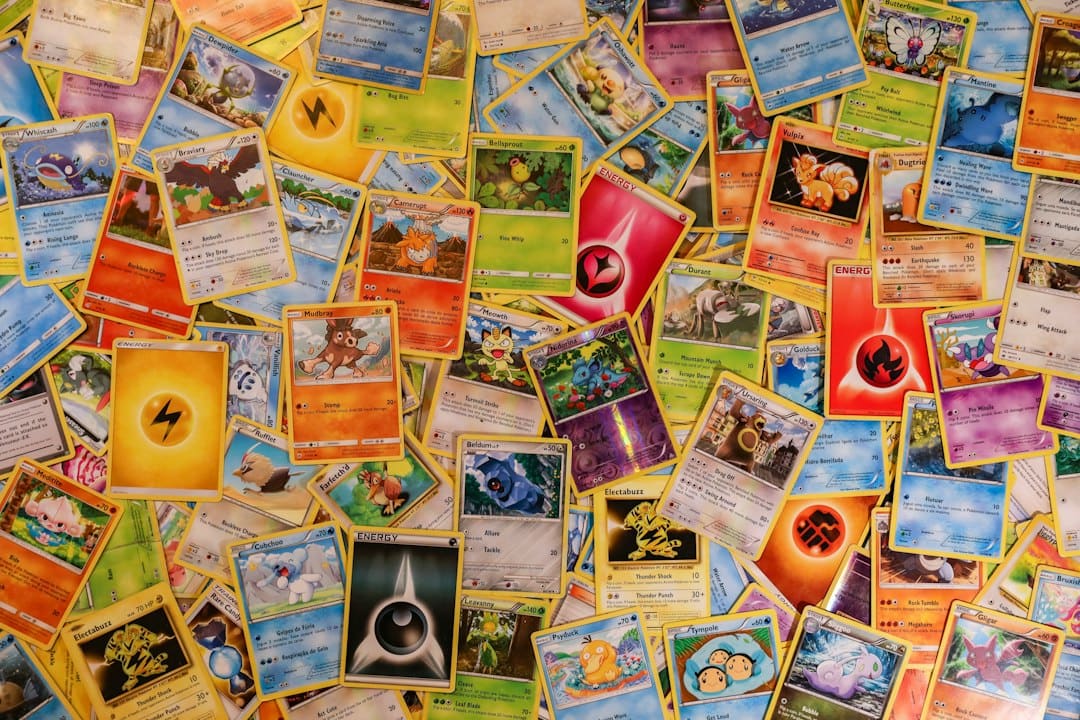
a pile of pokemon trading cards sitting on top of each other

Pokémon card care

Should You Clean Your Pokémon Cards? Expert Workshop Advice from YIAN

Find out when cleaning your Pokémon cards is safe, which DIY mistakes cause permanent harm, and how YIAN balances non-invasive conservation with realistic grading expectations.

12 min read

red ceramic mug on brown wooden table

How to clean Pokémon cards

How to Clean and Store Pokémon Cards Safely at Home

Simple, low-risk ways to handle, store and gently clean your Pokémon cards at home, the common mistakes that cause permanent damage, and when it's time to stop and ask a restorer.

14 min read

About this topic

How to Clean Pokémon Cards: Safe At-Home Methods and Advice

Dust, grime, and fingerprints often collect on Pokémon cards, but rushing in with household cleaners can ruin them instantly. Card stock is delicate layered paper coated with thin gloss or foil, making it highly vulnerable to liquids, friction, and chemicals. Safe cleaning at home is strictly about removing dry surface debris without affecting the paper fibres. If you attempt to scrub out ground-in dirt, you risk causing clouding, scratches, or moisture damage that cannot be undone.

For everyday maintenance, the safest tool is a clean, dry, lint-free microfibre cloth. Lay the card flat on a smooth surface and wipe very gently from the centre outwards toward the edges. Never scrub back and forth, especially across holographic foils, which scratch with the slightest pressure. Using tap water, alcohol, glass cleaner, or wet wipes is a common mistake that causes irreversible edge swelling, paper peeling, and ink loss.

Before touching any card, consider what you plan to do with it. While freshening up a binder card is satisfying, grading companies have strict, individual policies regarding altered cards. Some surface treatments risk detection or rejection by grading services. It is essential to check the grading company's current policy before doing anything beyond light, dry dusting. When cards have stubborn residue or deeper structural wear, professional care is safer than risking home experiments.

If a card has heavy grime, sticky residues, or surface dents, stopping early prevents permanent harm. Professional workshops like YIAN provide non-invasive card restoration in Tonbridge, Kent, carefully lifting surface dirt without adding foreign coatings or trimming edges. Knowing when to stop cleaning at home protects both modern treasures and irreplaceable childhood vintage cards from accidental destruction.

FAQ

How to clean Pokémon cards: frequently asked questions

Short answers to what collectors ask us most about this.

Can I use rubbing alcohol or hand sanitiser to clean a Pokémon card?

No, you should never use rubbing alcohol, surgical spirits, or hand sanitiser on trading cards. Alcohol dissolves the card's protective factory gloss and can rapidly bleed the printing ink, leaving faded patches or chemical smears.

Even small amounts of liquid will seep into the unsealed edges of the card, separating the layered paper fibres and creating permanent structural swelling.

How do I safely remove fingerprints from holographic cards?

Use a dry, premium microfibre cloth designed for camera lenses or spectacles. Breathe lightly onto the surface from a short distance to create the faintest trace of condensation, then glide the cloth in one gentle direction.

Never apply heavy downward pressure, as holographic foils are exceptionally soft and pick up hairline scratches easily. If light dusting does not shift the fingerprint, avoid using commercial polishes or cleaning fluids.

Can cleaned Pokémon cards still be sent for professional grading?

Grading companies like PSA, BGS, and CGC assess cards under their own standards, and their treatment of cleaning, restoration, or touch-ups can vary. Some third-party graders may classify certain cleaning methods as alterations and decline to grade them or assign altered designations.

A grade represents one company's opinion on a single day, and no grade or value increase can ever be guaranteed. You should always check the grading company's current policy directly, and any cleaning or restoration work should never be hidden from a grader.

Are water wipes or baby wipes safe for dirty cards?

Water wipes and baby wipes are unsafe for Pokémon cards. Although marketed as gentle, they are saturated with moisture and oils that soak into the cardboard core within seconds.

Moisture makes the edges swell, stains the paper, and causes the front and back layers to peel apart. Cards must always be kept dry during cleaning to preserve their integrity.

What is the best way to get rid of sticky residue from tape or stickers?

Sticky residue is one of the hardest problems to solve at home without stripping ink. Trying to scrape it off with fingernails, razor blades, or cotton buds dipped in solvent almost always tears the top printed layer.

For valuable cards, it is best to leave sticky tape residues alone rather than risking harsh solvents. Specialist restorers use controlled, dry mechanical methods to gently ease residues away without introducing damaging liquids.

Does cleaning a Pokémon card devalue it?

For your private collection, whether a cleaned card remains original is entirely your own choice. A light, dry surface clean that removes loose dirt can improve visual appeal in a personal binder without harming the card.

However, improper cleaning that causes scratches or water damage will severely reduce value. Furthermore, if you plan to sell or grade the card, disclosure is vital because grading standards vary, and buyers value full transparency regarding any prior work.

How can I remove surface dirt from the yellow borders of vintage cards?

Gently run a clean, dry microfibre cloth along the border, wiping outwards off the card rather than catching the raw edge. Avoid rubbing back and forth, as this can roll or fray the paper edges.

If dirt has embedded into the texture of the card, aggressive rubbing will strip the yellow ink and expose the white card stock underneath. When dry wiping stops lifting dirt, it is best to leave the remaining patina intact.

When should I stop cleaning at home and seek professional restoration?

You should stop cleaning immediately if dirt is ground into the card stock, if sticky glue is present, or if surface wiping begins to show any trace of colour transfer on your cloth.

UK workshops like YIAN assess cards non-invasively, easing out dirt, light scratches, and minor dents safely. If a card carries significant sentimental or financial value, an expert assessment prevents costly home mistakes.

How should I store Pokémon cards to keep them clean after wiping them?

Once a card is clean and dry, immediately place it inside a clean, acid-free penny sleeve, sliding it in gently to avoid catching the corners. For added protection, insert the sleeved card into a rigid top loader or side-loading binder.

Store your collection in a cool, dry room away from direct sunlight, dampness, and rapid temperature shifts. Proper storage stops airborne dust from settling and prevents cards from warping over time.

Can you wash cards if they are completely coated in mud or sticky drinks?

No, washing a card in water will destroy the internal paper core and separate the foil layers entirely. Water staining and deep structural soaking cause irreversible damage that cannot be washed away.

Cards with heavy liquid damage can sometimes have surface grit eased by a restorer, but structural water damage improves very little. Attempting to wash them under a tap will only complete their destruction.

YIAN account

Welcome back

Sign in to manage your YIAN account.

or continue with email

New to YIAN?

Talk to the workshop

Ask about a card, restoration suitability, or anything else — we'll reply by email.

Want a price for a card?Restoration is £30 per card. Send two photos for a quote — no account needed.

£30 per card · no account needed

Get a restoration quote

Restoration is a fixed £30 per card, plus return postage. Send two photos and we'll confirm we can help, usually within two working days.

Photos of the card front and back, out of the sleeve

Restoration counts as alteration for PSA and CGC. We'll advise what's safe for a grading submission, and we never promise a grade.