
The Modern Collector Guide: Practical Care and Tracking for Your Cards
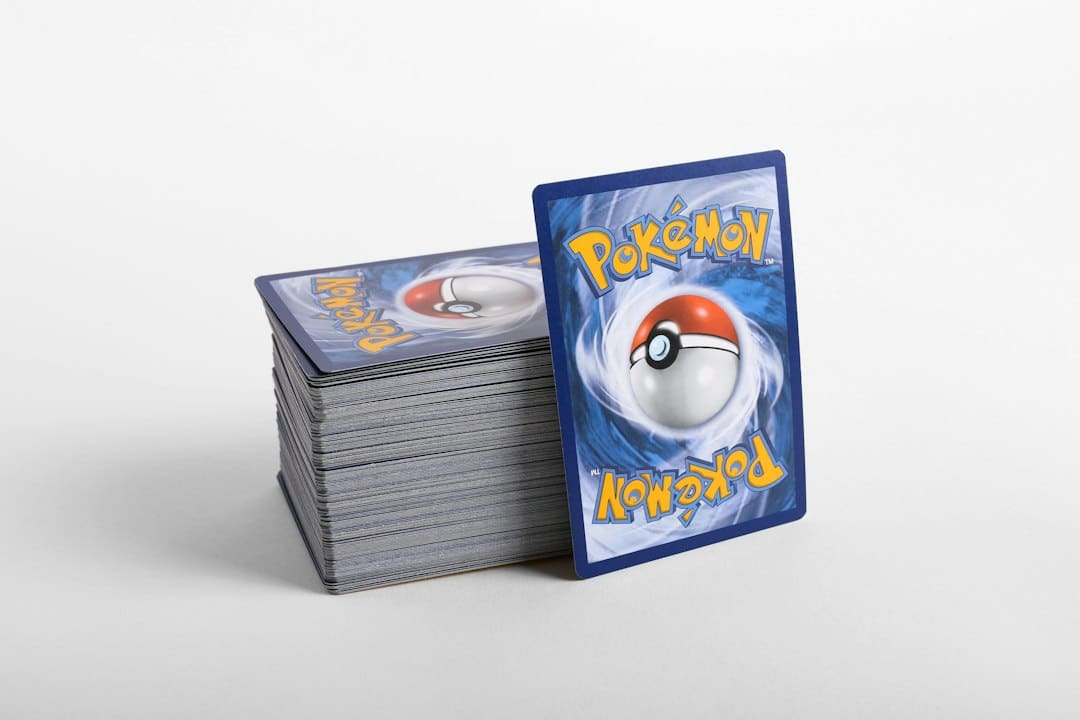
Remember the sheer magic of peeling open a foil booster pack back in the late nineties? That unmistakable smell of fresh factory cardstock, the flash of foil catching the light, and the wild hope of pulling a shiny Charizard—it is a core memory for an entire generation. Maybe you tucked those treasures into an old ring binder, stashed them inside a shoebox under the bed, or recently unearthed a dusty stack from your loft.
Fast forward to today, and the playground hobby has grown into something far bigger. Schoolyard swaps have expanded into a vibrant global community, with vintage favourites and modern "alternate art" cards eagerly sought after across the UK.
Yet, as collections grow, collectors often run into familiar, practical questions:
- How do you evaluate the raw physical condition of a card without relying on wishful thinking?
- What is the easiest way to keep track of card values and your overall spending across shifting UK market trends?
- Above all, how can you protect thin, fragile bits of layered cardboard from everyday wear, micro-scratches, and accidental handling damage?
Relying on guesswork, unverified internet hacks, and luck often leads to disappointment. If you want your collection to stay neat and well looked after, adopting organised tracking and proper handling routines makes all the difference. Whether you own vintage classics or modern favourites, keeping track of your cards is simple. You can explore modern tracking tools and collection management by visiting YIAN: professional archival preservation and care for rare cards.
In this practical guide, we will walk you through building a dynamic digital inventory, reading the physical signs of card wear, looking after your cards with safe storage, and understanding your options if a card needs repair. Let us get your collection into great shape! ✨
Why Modern Collection Tracking Beats Shoebox Storage
Let us be completely honest with ourselves: keeping your favourite cards jumbled in vintage tins or jammed into floppy plastic folders makes it easy for them to get damaged. Paper can scuff, corners bump, and prices change over time.
Treating your cards with care starts with a reliable inventory system. Knowing exactly what you own—down to the print run, language, and condition—saves you from accidental duplicates, helps you budget sensibly, and keeps everything organised. 🗂️
1. Document Card Variants and Print Runs with YIAN Card Tools
The Pokémon TCG features many subtle printing variations. Two cards that look virtually identical at first glance can have very different collector interest and market demand:
- First Edition vs. Unlimited Prints: Vintage collectors know this distinction well. The small "Edition 1" stamp on early sets significantly distinguishes cards from standard unlimited Base Set runs.
- Holographic Foil Patterns: Classic 1999 English cards feature the iconic "starlight" foil, whereas later Wizards of the Coast (WotC) sets introduced the swirling "Cosmos" pattern. Modern sets feature textured finishes, rainbow sheens, and distinct secret rare foils.
- Language and Regional Variations: Japanese cards often use different cardstock and border designs, while European language prints frequently have different print runs to English editions.
- Error Cards and Oddities: From the well-known "Red Cheeks" Pikachu to misprinted card text, factory errors remain a distinctive part of collecting history.
With a free account on YIAN Card Tools (yian.uk/cards), keeping track of these details is straightforward. You can search the Pokémon catalogue easily by card name, set name, or card number. From there, you can save watched cards and track your personal collection, logging your purchase costs, dates, and custom notes for every card you own.
2. Check Realistic Market Values Without the Guesswork
Printed price guides belong to the past, and individual asking prices on marketplaces do not always reflect real transactions:
- Avoid Asking Price Traps: Anyone can list an ungraded card online for an unrealistic price. It is always best to check real, completed transactions and current market references.
- Understand Condition Differences: A card in Lightly Played condition will naturally have a different market value compared to a pristine copy. Valuing raw, played cards as though they were flawless is an easy mistake to avoid with reliable reference data.
- Use Built-In Valuation Reports: Rather than jumping between multiple tabs, YIAN Card Tools generates valuation reports that compare available price references, grade estimates, and current eBay listings side by side.
Having clear, transparent reference points helps you make informed choices about your collection without unrealistic expectations. 📈
Assessing Card Condition: Understanding Surface and Structure
Every collector hopes their childhood cards stayed in great condition. However, Pokémon cards are made of layered paper cardstock, adhesives, and delicate foil layers, which can show wear over time. 🔬
Surface Imperfections
The card’s surface is the first area to show signs of handling:
- Skin Oils and Fingerprints: Handling an unprotected card transfers natural oils to the print surface, which can attract dust over time and dull the finish.
- Trapped Dirt and Dust: If cards sit loose inside pockets or boxes without sleeves, dust particles can cause fine micro-scratches as cards slide against each other.
- Foil Scratches: Foil layers are particularly sensitive. Light surface friction can leave faint hairline scratches across the holographic window when viewed under angled light.
Structural Defects
Structural wear affects the cardstock itself:
- Edge Whitening: When card edges rub against boxes, playmats, or rough surfaces, the printed ink can wear away, showing the white paper layer beneath.
- Binder Dings: Standard three-ring metal binders can accidentally pinch cards resting near the rings when closed, creating indentations in the cardstock.
- Foil Curving: Cardstock expands and contracts with changes in room humidity, while the foil layer does not. This natural reaction often leads to harmless curling in holographic cards.
Here is a handy condition guide to help you assess your cards at home:
| Condition Tier | Surface Cleanliness | Edge Integrity | Structural Core | Foil Flatness |
|---|---|---|---|---|
| Near Mint (NM) | Clean gloss; minimal signs of handling. | Crisp edges with negligible whitening at most. | No dents, creases, or surface indentations. | Lies flat or has very slight natural curve. |
| Lightly Played (LP) | Faint micro-scratches visible under direct light. | Minor edge chipping along one or two borders. | Free from deep creases; minor handling wear. | Mild natural curling from ambient humidity. |
| Moderately Played (MP) | Visible surface clouding, scratches, or light grime. | Noticeable whitening along multiple edges and corners. | Minor structural wear, small edge nicks, or slight indents. | Noticeable curving due to atmospheric moisture. |
| Heavily Played (HP) | Significant scuffing, surface wear, or noticeable marks. | Clear edge wear, fraying, or softened corners. | Creases, distinct bends, or paper stress marks. | Pronounced warping or moisture marks. |
Card Protection Tips and Ethical Restoration Options
Caring for your cards requires gentle, safe methods. Unfortunately, the internet is full of risky DIY suggestions—such as applying household cleaners, rubbing alcohol, acetone, or using a domestic iron on bent cards. Please avoid these methods. Household chemicals can strip the ink, dissolve factory varnishes, and permanently damage cardstock.
Similarly, avoid DIY attempts to recolour chipped edges with pens or trim edges with blades: rushed home work like this can't be undone and is easy for graders to spot. Professional restoration is a different matter. For your own collection, whether a restored card counts as "altered" is your choice. For grading, each company's own standards decide: work that meets them is fine for grading, while some work, such as colour touch-up, is more likely to be flagged. YIAN assesses every card and tells you before any work which steps are compatible with grading and which carry a risk.
YIAN's Restoration Service
If you have a damaged or dirty card that you would like cleaned or flattened, for your own collection or before grading, professional restoration is available as an option:
- Free Photo Quote: Send in clear photos of your card to receive an upfront, no-obligation assessment and plan.
- Transparent Pricing: Restoration is priced at £30 per card plus postage.
- Plan Approved in Advance: You receive a clear, detailed plan before any work begins, so you stay fully in control.
- Photos at Every Stage: You receive progress photos throughout the process so you can see exactly how your card is being treated.
- Insured Tracked Return: All cards are returned via fully insured, tracked postal services.
- Kids Free: YIAN offers free restoration services for eligible young collectors to help support the next generation enjoying the hobby.
Please note: we never promise a value, a grade, a higher grade, or that a card will pass grading. Grading companies set and change their own policies, and grades involve human judgement, so always check the grader's current policy before you submit.
If you want to explore professional care, check out specialist conservation services for high-value cards.
Practical Care Tips for Your Collection
Keeping your cards safe at home does not need to be complicated. Simple, consistent storage habits will protect your cards from unnecessary wear. 🛡️
Step 1: Use Safe Sleeves and Avoid PVC
- Use PVC-Free Sleeves: Always store cards in acid-free, non-PVC polypropylene sleeves. Older PVC plastics can break down over time and leave a sticky residue on the card's surface.
- Choose Standard Penny Sleeves: For delicate holos, standard-sized soft penny sleeves provide protection without placing pressure on the edges.
- Clean Handling: Wash and dry your hands before handling cards, and hold cards gently by their outer edges rather than touching the foil surface.
Step 2: Add Sturdy Outer Protection
- Toploaders for Protection: Placing a sleeved card into a clean, rigid toploader prevents accidental bends and edge bumps.
- Gentle Handling: Never force a card into a tight sleeve or toploader. Let the card slide in smoothly to avoid catching corners.
- Semi-Rigid Holders: If you prefer flat binder storage or are organising submissions, semi-rigid holders offer a safe, slim alternative.
Step 3: Sensible Storage and Environment
- Avoid Extreme Moisture: Store cards in a dry living area. Avoid damp basements, attics, or garages where temperature and humidity swing sharply between seasons.
- Keep Out of Direct Sunlight: Prolonged exposure to direct UV sunlight will fade printed card colours over time. Keep collection boxes or albums away from sunny windowsills.
- Store Flat and Supported: Use dedicated storage boxes designed for trading cards to keep top-loaded cards upright and evenly supported.
Keeping the Joy in Collecting
At its heart, collecting Pokémon cards is about having fun, celebrating favourite Pokémon, and sharing a great hobby with friends, family, and young collectors. 🤝
Taking sensible care of your cards ensures they remain in enjoyable condition for years to come—whether they stay in your personal binder or get passed down to someone new.
Ready to get your collection organised and protected?
- Try YIAN Card Tools to search sets, track your collection, and run valuation reports for free.
- Have a card that needs practical attention? Request a free photo quote to see how our careful restoration service can help.