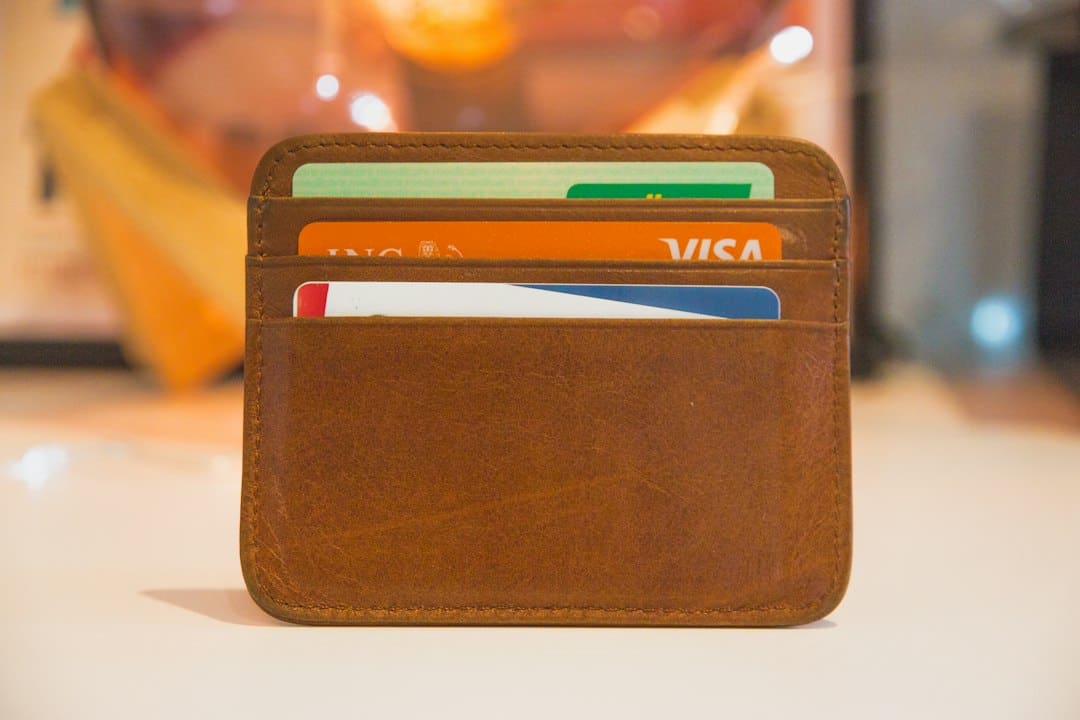
Cards
How to Track, Value, and Protect Your Pokémon Cards with YIAN
Discover how YIAN helps UK collectors organise card portfolios, assess surface condition accurately, and prepare rare vintage favourites for archival preservation.
Topic · 1 article
Tracking, valuing and protecting your Pokémon cards: collection tools, valuations and care advice from YIAN.
Collecting Pokémon cards often starts as a casual hobby before turning into a treasured personal archive or valuable asset. Over time, handling, improper storage, and childhood play can leave cards dirty, scratched, or bent. Many collectors wonder whether an imperfect card can be saved or if physical wear permanently ruins its appeal. The reality depends on the type of damage. Surface grime, minor bends, and light edge wear can often be addressed safely, whereas heavy creases or missing card stock represent permanent structural damage that cannot be reversed entirely.
A major concern for collectors is deciding what level of intervention is right for their cards. Some owners prefer to leave cards completely untouched, preserving their history exactly as found. Others prefer careful cleaning or physical correction to improve eye appeal for display in an album or binder. Whether an altered or conserved card still counts as fully original is a personal choice for your own collection, but physical interventions carry different implications if you intend to trade, sell, or submit them to third-party grading companies.
When preparing cards for grading, expectations must remain realistic. Every grading company applies its own standards, and a final grade is simply one company's opinion on a single day. Some conservation work, particularly colour work or heavy manipulation, risks being classified as alteration. Work should never be hidden from a grading service or future buyers. YIAN provides mail-in restoration services from Tonbridge, Kent, helping collectors assess what non-invasive work is possible before any treatment begins, while ensuring transparent reports for every treated card.
Looking after your cards also means organising and tracking their condition over time. Modern collectors benefit from systematically checking market references, understanding grade estimates, and cataloguing card variants. YIAN offers dedicated online card tools, including a private collection tracker and catalogue search, allowing UK collectors to monitor market values and keep a clear record of their collection's condition alongside their physical preservation efforts.
Short answers to what collectors ask us most about this.
Certain types of damage can be corrected, but it depends heavily on severity. Non-invasive work can lift surface grime, flatten minor bends, ease shallow indentations, and soften the appearance of light scratches or holographic scuffs without adding foreign materials.
Deep creases that break the internal card stock, paper tears, water staining, and significant ink loss cannot be made pristine again. While physical adjustments may reduce the visibility of these flaws slightly, the structural integrity of the paper remains altered.
For your private collection, whether a cleaned card remains truly original is entirely your own judgement. Many collectors view gentle surface cleaning as essential maintenance, similar to conserving artwork or vintage coins, provided the original print is not altered.
When selling or grading, however, the process must be treated with care. Some methods can strip delicate coatings or leave residue. You should always be open about any work performed when passing a card to another collector.
There is no guarantee that restoring a card will raise its grade or ensure acceptance. A grade represents only one grading company's opinion of that card on the day it is inspected, using their independent criteria.
Third-party grading services assess condition, originality, and any signs of tampering. Before submitting any restored card, you must check the grading company's current policy regarding conservation and alteration, and you should never conceal work from a grader.
Restored cards can often be submitted, but how they are treated depends entirely on the specific service. Some grading firms encapsulate restored items with specific qualifiers or altered designations, while others may decline to slab certain modified cards.
Non-invasive surface cleaning is viewed differently from invasive practices like repainting or edge pressing. Check the current guidelines of your chosen grading firm to understand how they classify professional conservation and what risks apply to your submission.
Card value depends on rarity, set, edition, and physical condition. A card with crisp edges, clean surfaces, and no scratches will command a significant premium over the same card showing edge whitening or light bends.
To value your cards accurately, research completed sales from platforms like eBay rather than active asking prices. Comparing recent sales of cards in similar condition gives the most realistic view of current UK market value.
Professional card conservation uses controlled, dry techniques to lift debris, flatten bends, and ease pressure marks. The goal is to improve the card's visual appeal while preserving the underlying card stock and original ink layers.
At YIAN, collectors receive an upfront assessment before any work begins, with transparent updates and before-and-after photographic records. Standard procedures avoid adding foreign chemicals, trims, sealants, or repainting to ensure the card's structure is respected.
Using household marker pens or paints on a card will permanently stain the cardboard, ruin its appeal, and instantly be classed as deliberate alteration by collectors and grading companies alike.
Controlled colour touch-up is occasionally used on vintage yellow borders or small white specks, but it must be handled cautiously. Any colour addition carries a high risk of being flagged during professional grading and must always be disclosed to prospective buyers.
Store each card individually in an acid-free, archival-grade penny sleeve, then insert it into a rigid top loader or a side-loading binder. Avoid PVC sleeves, as the plasticisers can degrade the card surface over time.
Keep your collection in a temperature-stable, dry space away from direct sunlight. Excessive humidity causes card curling and moisture damage, while sunlight rapidly bleaches vintage inks.
Improving a card's visual appeal can make it more attractive to prospective buyers, but restoration does not automatically translate into a higher financial return. You must weigh the cost of treatment against the card's realistic market value.
If you do decide to restore a card prior to sale, full transparency is required. Detail the exact work done in your listing so the buyer can decide whether the card fits their collecting standards.
Cards that suffer from light bending or climate-induced warping can often be eased back into shape with gentle, evenly distributed pressure over time. This works well for cards that have simply bowed inside an album.
Sharp creases, where the card fibres have broken, are permanent. While pressure can help the card sit flatter inside a protective sleeve, the crease mark will remain visible across the card surface.