
Rescuing Childhood Favourites: The Real Truth About Pokémon Card Condition
Have you ever opened an old, battered tin tucked away in the back of your wardrobe and felt a sudden jolt of pure childhood nostalgia? 🪄
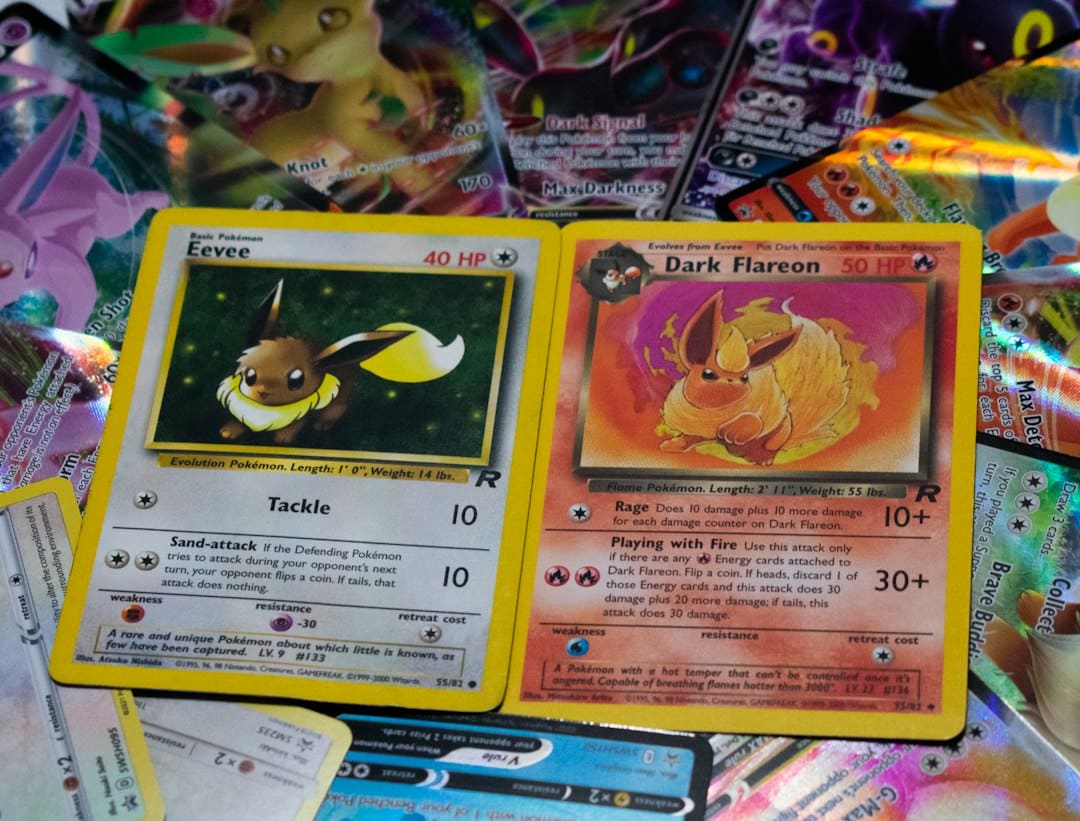
You reach inside, and there it is: your beloved Base Set Charizard, a scuffed-up Neo Genesis Lugia, or that original holographic Jungle Flareon you spent months trading for during school break. But then, as you turn it under the light, cold reality hits.
Twenty-odd years of playground swaps, unsleeved rubber-band stacks, and heated schoolyard battles have left behind an unmistakable paper trail. You are suddenly staring at layers of cloudy surface grime, dull foil micro-scratches, blunted corners, and nagging edge dings.
In the trading card hobby today, assessing your Pokémon card condition is almost always framed as a ruthless market audit. People talk about Gem Mint 10s, sub-grades, auction reserves, and quick flips. But for those of us curating personal binders, condition means something far more meaningful: preservation, history, and personal pride.
You do not necessarily want to auction off your childhood treasures. You just want to slide your oldest companion into a crisp, acid-free, 9-pocket binder page without wincing at twenty years of built-up thumb grease and ground-in schoolyard dirt.
That deep desire to revive our memories is where dedicated conservation steps in. 🛡️
Instead of watching that grime turn into permanent chemical discolouration, or worse, gambling your sentimental cards on unverified DIY internet cleaning hacks, a calm, professional workshop approach can safely transform heavily handled cardboard. At our dedicated UK studio, we treat every card like a tiny, historic piece of pop art. We look at each piece through the eyes of an honest conservator, giving you transparent advice before any tool comes near that vintage foil.
When you decide it is time to bring a tired classic back to life, choosing to work with YIAN Card Restore guarantees that your cards receive gentle, non-invasive attention designed entirely around what matters most: bringing pure joy back to your binder. ✨
The Playground Era vs The Modern Binder
Let us step into a time machine back to 1999 for a moment. ⏳
Back then, nobody walked around with double-sleeved binders, magnetic one-touch cases, or climate-controlled safes. Cards lived rough-and-tumble lives. We jammed them into tight school trouser pockets. We slapped them down hard onto rough concrete pavements during lunch-break games. We absent-mindedly flicked their corners with our thumbs while plotting our next game-winning attack in a friend’s carpeted bedroom.
Naturally, that carefree fun left behind physical scars:
- Surface oils and environmental dirt: Skin oils act like magnets for microscopic dust and airborne particles. Over two decades, that mixture cures into an oily film that dims the radiant foil underneath.
- Holo silvering and micro-scratches: Repeatedly sliding unsleeved cards over one another acts like ultra-fine sandpaper, slowly eroding the clear protective coat covering the delicate foil layer.
- Minor indentations and binder dings: Stray fingernails, dropping a card onto carpet, or forcing cards into cramped plastic deck boxes easily press unwanted dents into soft paper fibres.
- Soft corners and moisture-induced curling: Shifts in household humidity cause the cardboard layers to expand and contract, resulting in bowed edges, wavy surfaces, and frayed corners.
When collectors stumble across their vintage decks today, their immediate reaction is often quiet disappointment. Many assume their childhood favourites are ruined beyond repair. Others jump straight onto marketplace platforms to browse replacement copies, only to discover that authentic vintage singles carry staggering price tags.
Here is the good news: knowing your actual Pokémon card condition helps you clearly distinguish between treatable, cosmetic surface fatigue and catastrophic structural damage.
You do not need to empty your savings account to replace a card loaded with deep sentimental value. In many cases, patient conservation can restore its lost vibrancy. Before making any hasty decisions, it pays to check what can and cannot be restored on a vintage Pokémon card so you can set sensible, grounded expectations for your childhood collection.
The Anatomy of a Pokémon Card: Why Cardstock Is Fragile
To understand why cards wear out—and why fixing them requires delicate care—we have to look under the microscope at how they were manufactured in the first place. 🔬
A trading card is far more than a simple slip of cardstock. Whether printed by Wizards of the Coast in the late nineties or churned out by modern printing facilities today, a genuine Pokémon card is an intricate, multi-layered laminate:
- The Clear Top Coat: A micro-thin layer of protective gloss lacquer seals the printed ink. While it deflects minor abrasions, it remains vulnerable to solvents, chemical degreasers, and friction.
- The Foil & Print Layer: Holographic cards feature an ultra-thin metallised plastic film fused straight to the paper pulp underneath. If this foil layer gets creased or scratched away, the bare paper underneath becomes exposed.
- The Inner Core: Right in the middle sits a dark adhesive layer, often containing graphite or dark pigments. This core gives the card its snappy spring-back tension and stops light from shining clean through it.
- The Paper Pulp Base: Raw wood pulp fibres form the backbone of the entire card. These fibres are porous, thirsty, and react instantly to fluctuations in ambient humidity.
Because paper fibres act like tiny drinking straws, treating cards like durable plastic or laminated cardboard is a recipe for heartbreak. Every time someone approaches an original 1999 card with heavy hands or household cleaning supplies, those delicate layers are placed under extreme mechanical stress.
The Dangers of DIY: Why Kitchen Counter "Fixes" Ruin Good Cards
Spend just ten minutes browsing vintage card forums or social media groups, and you will stumble across hundreds of so-called "cleaning hacks." People casually suggest rubbing alcohol, baby wipes, vinegar, multi-surface sprays, nail polish remover, or running a hot household clothes iron over a warped card. 🛑
Please, step away from the kitchen cabinet.
Let us explore what actually happens when you introduce domestic liquids or intense heat to a 25-year-old trading card sandwich:
The Capillary Action Trap
Applying water, commercial glass cleaners, or isopropyl alcohol directly to paper triggers rapid capillary action. Liquids slip through microscopic hairline fissures in the vintage lacquer, instantly soaking into the central paper pulp.
The paper fibres immediately swell like miniature sponges. Once this happens, the damage is essentially permanent: you get dark, ugly water stains, cloudy white bloom underneath the foil, and separated paper layers (delamination) that no amount of drying can ever truly reverse.
The Ironing Catastrophe
Using a clothes iron to flatten a curled or dented card is one of the quickest ways to destroy it completely.
Intense, direct heat destabilises the ancient adhesive holding the card layers together. The thin foil sheet expands and contracts at a completely different rate than the paper beneath it. The sad result? Bubbled foil, a brittle core, and permanent, unnatural warping.
If you are ever tempted to scrape away a stubborn fleck of dirt with your fingernail, pick at a corner with a coin, or leave a card sandwiched inside a heavy book under a damp cloth, take a deep breath and pause.
Securing experienced card repair advice will save you from transforming a fixable, minor surface dent into an ugly, permanent white crease. Reading up on DIY card burnishing and cleaning common mistakes clearly demonstrates how easily uneven pressure can ruin vintage foil surfaces forever.
The YIAN Restorer Mindset: Binder Joy vs Grading Realities
At YIAN, we look at trading cards through the lens of dedicated artisan restorers, not high-stakes market speculators. 🌿
That means we approach card conservation through two distinct perspectives: your personal collection on the one hand, and third-party grading companies on the other.
1. The Personal Binder: Aesthetic Pleasure and Preservation
For your private binder, whether a restored card is viewed by third parties as "altered" is entirely your personal call.
A conservator’s ultimate goal is not to leave a card trapped in a degraded state for the sake of artificial purism. Our job is to honour your personal goals: clearing away twenty years of grime, flattening distracting pocket curls, and letting that classic artwork shine the way it did when you pulled it from a silver booster pack back in 1999.
When you flip through your binder on a quiet evening, you want to admire a clean, vibrant card, not squint through fingerprints, oily residue, and dog-eared corners.
2. Third-Party Grading: Navigating the Slab Industry
Grading, however, operates under entirely different rules. Internet debates about whether cards "should" or "should not" be cleaned mean very little; what genuinely matters are the strict, published standards of the grading service you choose to use.
Major third-party authentication services (such as PSA, CGC, BGS, or ACE Grading) treat restoration and conservation work under specific, often strict criteria:
- Non-invasive conservation: Gentle surface decontamination and humidity-controlled flattening are often accepted if no foreign chemicals or artificial pigments are added to the cardstock.
- Active alteration: Adding pigments, recolouring scratched borders, trimming fuzzy edges, or using synthetic gloss fillers is classified as artificial alteration. This typically results in an "Altered" designation, an "A" grade, or an outright refusal to encapsulate.
- The subjectivity factor: Card grading is performed by human beings under high-throughput conditions. Standards evolve, and outcomes can vary from one submission to the next. Because of this human element, no ethical restorer can ever promise or guarantee a specific numerical grade.
We believe that total honesty is the only way forward. We will always let you know upfront which non-invasive conservation steps carry low grading risk, and which services—such as tiny edge colour touch-ups—will almost certainly be flagged by grading companies as altered.
We never conceal our techniques or hide adjustments; every single step is thoroughly documented in your intake log.
If you are curious about what your collection might be worth before deciding how to proceed, you can check your card value in YIAN Card Tools to explore up-to-date market comparisons alongside condition standards.
How the Workshop Restores Cherished Cards
Every single collectible that enters our UK workshop is treated with bespoke care. We work card-by-card using a transparent pricing model: a flat £30 per card, plus fully tracked return postage.
We also run our popular Kids Free initiative, which gives young collectors the chance to have their favourite beat-up cards restored with zero service fees, supported by generous community sponsorships. 🎒❤️
Here is a look behind the scenes at the methodical, step-by-step process every card undergoes:
Step 1: The Free Photo Assessment
You do not even have to register an account. Just grab your phone, take two clear, high-resolution photos of your card (front and back, out of its sleeve, under natural, glare-free light), and send them over. Within two business days, we provide a candid assessment detailing exactly what can be improved, what cannot, and what results you can realistically expect.
Step 2: Unboxing and Intake Documentation
The moment your package arrives at our workshop, our security and intake protocol begins. The unboxing is recorded on video, and the card is placed in a clean-room environment to be photographed under high-magnification macro lighting. This creates an undisputable baseline record of its starting condition.
Step 3: Owner Consultation and Approval
We never begin work without your explicit say-so. We review the high-magnification intake findings with you, discuss the game plan, and only proceed once you feel completely confident with the proposed plan.
Step 4: Meticulous Non-Invasive Conservation
Our core process is strictly conservative: we aim to add nothing artificial to your card.
- Controlled Surface Cleaning: Using specialised, moisture-controlled swabs and safe dry-transfer pads, we lift years of skin oils, playground dirt, and storage haze without letting liquids penetrate the absorbent paper core.
- Tension Relaxation: Cards that have bowed or curled from years of humidity swings are placed inside precision humidity-equilibrium chambers. This safely relaxes the internal wood pulp fibres.
- Mechanical Flattening: Once relaxed, gentle, controlled mechanical pressure smooths out soft corners, minor surface depressions, and paper waves, coaxing the card back to its natural flat state.
Step 5: Optional Micro Colour Touch-Up
If chosen during your initial review, we offer strictly limited, micro-level colour restoration. This optional step is confined exclusively to tiny white edge chips (up to 1mm) on vintage blue backs or classic yellow borders. We use reversible, archival-grade mineral pigments that match original factory hues under natural light, banishing unsightly white flecks from your display pages.
Step 6: Final Inspection and Insured Return Delivery
Once our work is complete, the card undergoes a final macro-inspection and photography session. It is then carefully placed into a brand-new, acid-free archival inner sleeve, secured inside a rigid protective holder, and dispatched back to your doorstep via fully tracked, insured shipping.
If your favourite holos have gathered dust or picked up bent edges over the years, you can get a fixed-rate Pokémon card restoration quote before spending a single penny. You can also explore our handy guide on how to clean and store Pokémon cards safely at home for practical, everyday preventative care tips.
Where Restoration Reaches Its Natural Limits
Honesty is the absolute bedrock of our workshop philosophy. We will never promise unrealistic results.
Cardboard is an organic, fragile medium, and certain types of physical damage simply cut too deep into the paper fibres to be reversed:
1. Snapped Internal Paper Fibres (Creases)
When a card is folded hard enough to crack the internal paper core, those fibres break apart permanently. While gentle pressing can flatten the ridge so the card sits flush in a sleeve, that white, spider-web stress fracture inside the paper cannot be invisibly fused back together.
2. Extensive Missing Artwork
If a card has suffered heavy scuffs that ripped the printed artwork clean down to the bare white paper base, true conservation stops there. Recreating missing character illustrations means painting new art over the card, which turns an authentic collectible into an altered art piece or proxy.
3. Severe Liquid Swelling and Mould Contamination
While light atmospheric curling is straightforward to address, cards that spent weeks in damp cellars or survived direct wash cycles present structural paper delamination. When inner glue dissolves and mould attacks the pulp, the paper permanently changes thickness and shape.
Our upfront photo assessment is built specifically to catch these extreme issues early. If a card is too damaged to show a genuine visual improvement, we will tell you straight away so you do not spend money unnecessarily.
Card Anatomy Comparison: Safe Conservation vs Destructive Wear
To help visualise how conservation works across different types of wear, take a look at our quick reference table:
| Condition Issue | Underlying Cause | Can It Be Conserved? | What to Expect |
|---|---|---|---|
| Surface Clouding | Accumulated skin oils & microscopic dust | ✅ Yes | Brilliant recovery of factory foil vibrancy and clear-coat reflection. |
| Light Indentations | Fingernail pressure, binder ring pinches | ✅ Yes | Significant visual improvement; impressions are gently smoothed out. |
| Warping / Curling | Humidity shifts relaxing cardboard grain | ✅ Yes | Card is safely returned to a flat, relaxed profile suitable for display. |
| Edge Silvering | Play wear wearing border lacquer down | ⚠️ Partially | Surface dirt can be removed; white chipping requires optional micro touch-ups. |
| Through-Creasing | Broken internal core fibres from sharp folds | ❌ No | Card can be flattened flush, but the white fracture line remains visible. |
| Paper Peeling | Complete breakdown of internal core adhesive | ❌ No | Cardboard layers cannot be industrially re-laminated without heavy alteration. |
Real Feedback from Collectors
Nothing beats the excitement collectors share when they finally unpack their restored cards and slide them back home into their binders.
Here is what real hobbyists have said about their experiences with our workshop:
"I sent two retro Pokémon cards to Yian for repairs and cleaning, and I couldn’t be happier with the results—they look like new! She kept me informed throughout the process, explaining what needed repairing and providing regular updates and detailed reports. Amazing work and excellent communication. I’ll definitely be using Yian again. Thank you!"
— Andrew Dave (Customer, UK, Trustpilot review, 25 October 2026) 🌟🌟🌟🌟🌟"Absolutely Amazing service from start to finish, would happily recommend to anyone wanting to bring life back to their Pokémon cards… Have sent 3 cards up to now and have more to send. A thoroughly transparent and efficient service throughout."
— James Kean (Customer, UK, Trustpilot review, 27 October 2026) 🌟🌟🌟🌟🌟
Want to see these transformations with your own eyes? You can watch real card restoration before and after videos on TikTok to see stubborn grime, surface dings, and tired edges carefully revived on classic vintage holos. 🎥
Preserving Memories, One Card at a Time
When you strip away the market noise, price graphs, and speculative hype, trading cards are really just miniature, touchable pieces of our personal histories.
That beat-up foil card tucked inside your wardrobe tin might never score an immaculate grade from a third-party grading company, but it holds something far more valuable: twenty years of your personal story. It holds memories of trades made with childhood best friends, rainy Saturday mornings spent battling on the living room floor, and the thrill of tearing open a fresh booster pack back when life was simple.
Giving your childhood collection the benefit of patient, archival-grade care means you get to enjoy those cards for another twenty years, keeping them safe from gradual decay on the shelf.
Whether you have a single vintage holo that needs its original shine unlocked or a cherished stack of binder favourites that deserve to have their soft corners coaxed back into shape, professional conservation bridges the gap between played-to-death cardboard and display-worthy pride.
If you are ready to give your cards the care they deserve, explore YIAN Card Restore today, send over your photos, and take the first step toward enjoying your collection the way it was always meant to look. 🎴✨