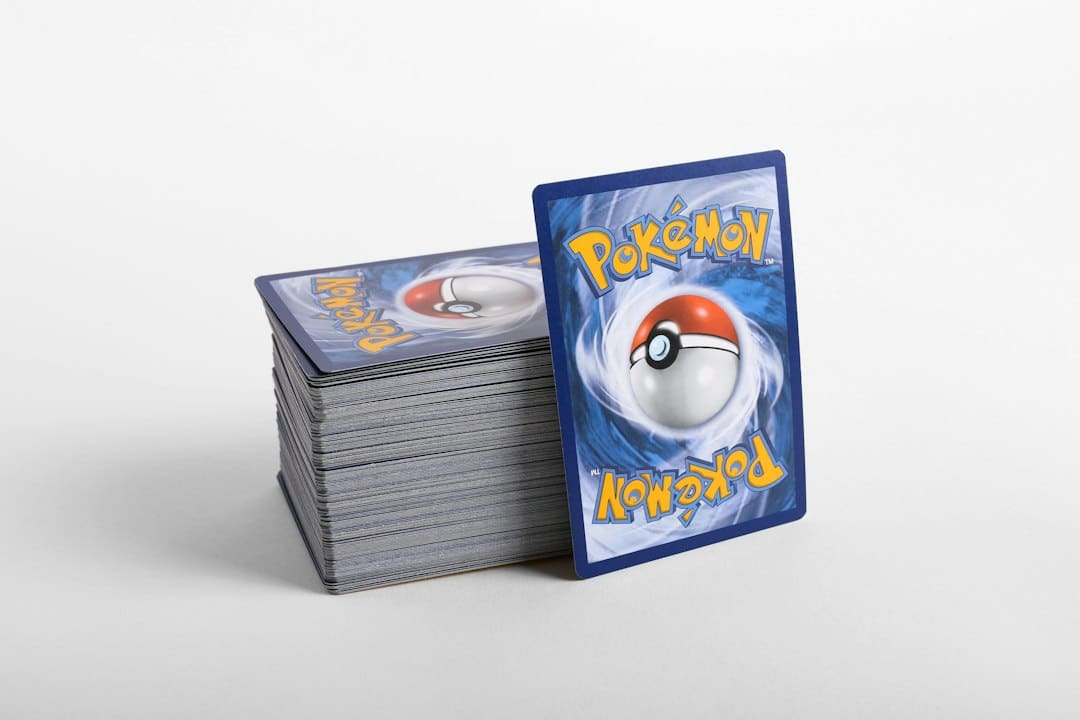

Why Card Burnishing Kits Often Ruin Treasured Pokémon Cards
We have all scrolled past those hypnotic, viral clips on social media. 📱 You know the ones: someone takes an old, beaten-up Base Set Charizard that looks like it went through a washing machine in 1999, rubs it down with a sleek handheld tool, slathers on an unlabelled fluid, and voilà—the card looks mirror-flat and factory fresh.
Because of those snappy thirty-second videos, DIY kits, bone folders, and micro-rollers are selling out across online marketplaces. It looks so effortless that thousands of collectors genuinely believe card burnishing is a foolproof, five-minute evening fix for nasty scratches, annoying bends, and frayed edges.
The harsh reality from a restorer's bench? Taking a hard rubbing tool or random household chemicals to delicate, thirty-year-old printed cardboard almost always ends in heartbreak. 💔 Cardboard fibres snap under pressure, fragile holographic layers delaminate, and beautiful factory textures end up scrubbed away forever.
Vintage and modern Pokémon cards are not solid plastic or indestructible sheets of vinyl. They are intricate, layered sandwiches made of organic paper pulp, ultra-thin metallic foil, specialised adhesives, and microscopically thin inks. When you apply blunt friction with a hard plastic or bone tool on your kitchen table, you are not "healing" the card. In truth, you are crushing its internal skeleton.
Before you grab a DIY kit or reach for a bottle of cleaning fluid to fix a card packed with childhood nostalgia or financial value, take a step back. Understanding what happens below the surface under intense pressure makes all the difference. If you want to protect your childhood favourites instead of destroying their finish, you can consult YIAN Card Restore for safe card burnishing and conservation advice before trying aggressive home remedies. 🛡️
What Is Card Burnishing Supposed to Do?
Burnishing is not a modern internet invention. In fact, it is an ancient papercraft technique that dates back centuries. Traditional bookbinders and master printmakers have long used smooth river stones, animal bone folders, and polished wooden blocks to flatten curled parchment, smooth rough leathers, and seal natural paper fibres.
In the fast-moving trading card hobby, however, opportunistic sellers have repackaged these historical bookbinding tools as magic wands. 🪄 Online listings claim that rubbing down edges, smoothing curved foils, and massaging out surface dings will effortlessly buff away surface abrasions, sharpen rounded corners, and push a card straight into a pristine condition tier.
It sounds enticing, but trading cards are vastly different from thick, untreated rag paper. A standard Pokémon card is an engineered composite featuring:
- A fragile, clear ultraviolet protective gloss coating
- High-definition, chemical-sensitive printing inks
- A dense, multi-ply paper core (featuring an internal blue or black graphite layer designed to block light)
- An impossibly thin, micro-embossed metallic foil layer on holographic cards
Rubbing a rigid tool across these delicate composite layers creates a dangerous cocktail of friction, localised heat, and lateral shear stress. Instead of gently nudging a crease back into place, amateur burnishing shears the ink straight off the card stock. Imagine dragging a metal spoon across a vintage oil painting—that is essentially what an aggressive burnishing tool does to a holographic Pokémon card. 💥
4 Common DIY Mistakes That Destroy Pokémon Cards
When collectors venture down the DIY restoration rabbit hole using household supplies or cheap online kits, things usually go downhill fast. Here are the four most catastrophic mistakes we see enthusiastic collectors make every single week. 🚫
1. Crushing the Holo Layer with Bone Folders and Rollers
Picture this: you pick up an authentic vintage card, and a fine web of light scratches catches the evening light across the foil. Your natural instinct is to buff it out, much like polishing a car door or removing a scuff from a pair of leather shoes. You grab a hard plastic burnisher, an agate stone, or a stainless steel roller, plant your thumb down firmly, and start working back and forth across the character artwork.
The result is pure tragedy. Holographic foils are microscopically thin and extraordinarily sensitive to shear pressure. Heavy mechanical force does not smooth away a scratch; it creates wide, cloudy patches of crushed micro-abrasions across the reflective foil. 🌫️ Worse yet, downward pressure leaves permanent flat spots, tool gouges, and shiny indentations that look significantly worse under basic room lighting than the light scratches you started with.
2. The Household Chemical Wipe-Down
Rubbing alcohol, nail varnish remover, acetone, glass cleaner, baby wipes, and sanitising sprays should never come within arm's reach of your cards. 🧪
Industrial solvents eat through factory inks and strip away the protective clear topcoat within seconds. A single wipe with an isopropyl pad can dissolve the classic rich yellow pigment along a vintage card's border, leaving behind a splotchy, faded mess. Meanwhile, water-based solutions cause the porous paper core to swell like a sponge. This leads to warped edges, deep structural bubbling, and permanent liquid tide lines that completely ruin the integrity of the card.
3. Kitchen Flattening: Irons, Heat Guns, and Heavy Books
Holographic cards curl naturally over time. Why? Because the paper back expands and contracts with changes in ambient humidity, while the non-porous metallic foil front remains completely rigid. When moisture enters the room, the card bows inward or outward.
Panicked collectors often try to force the card flat using brute kitchen methods: clothes irons, high-heat hair dryers, or heavy stacks of encyclopaedias. 📚
Direct heat literally bakes the cellulose paper fibres, leaving the card brittle, dehydrated, and discoloured. Worse, extreme heat breaks down the adhesive layer holding the foil to the paper core, causing the foil to bubble, warp, and peel away at the corners. On the flip side, shoving a dry, curled card under a fifty-pound pile of books creates severe mechanical tension that can permanently snap the paper core, creating an irreversible horizontal crease across the artwork.
4. Aggressive Edge Rubbing (Turning Wear into Severe Whitening)
Have you ever tried to smooth down a frayed edge or minor corner nick using a fingernail or a burnishing pen? If so, you probably watched in horror as the damage grew three times larger in the blink of an eye.
Aggressive edge rubbing separates the delicate paper layers along the rim. As the printed outer layer lifts, it exposes the bright white paper core beneath. What began as a tiny, pinpoint nick quickly snowballs into glaring, irreversible edge whitening that drops the card's eye appeal down a cliff. 📉
Before you take a gamble on your most beloved binder cards, step back, examine the values, and know what you are dealing with. You can easily look up your card and compare price references with YIAN Card Tools to see how condition impacts overall desirability. 🔍
Safe Home Care vs Invasive Restoration
Does this mean you are entirely powerless when you dig your old collection out of the attic and find it coated in years of dust, lint, and grit? Not at all! The golden rule of home card care mirrors medicine: first, do no harm. 🩺
What You Can Safely Do at Home
- Gentle Dusting: If a card has loose surface dust, gently brush it away using a clean, dry, ultra-soft microfibre cloth or a high-end cosmetic brush. Never press down. Let the natural weight of the fibres pick up loose debris without dragging it across the gloss.
- Proper Sleeving Technique: Always use fresh, acid-free polypropylene penny sleeves. Never force a card with a lifted edge or a soft corner into an undersized sleeve. Pinch the sides of the sleeve to pop it open wide, and slide the card in gently to prevent corner snags.
- Smart Storage Practices: Keep your collection safe inside purpose-built binder pages or semi-rigid card savers. Keep them far away from radiators, direct sunlight, cold exterior walls, and damp basements. A stable, moderate room temperature keeps foil curling to an absolute minimum.
If you are dealing with actual dirt buildup, sticky surface residue, grease stains, or crushed corners, home remedies quickly become dangerous territory. If you are standing over your desk, holding a tool, and feeling a knot in your stomach about whether you are about to ruin a card forever, pause immediately. If you are not sure if your card can be helped, message the workshop on WhatsApp to get honest advice before touching the card. 💬
How YIAN Approaches Card Care Differently
Generic DIY tools sold across the internet push collectors into taking unnecessary risks with irreplaceable cards. YIAN operates on an entirely different philosophy: professional, non-invasive restoration carried out with dedicated precision inside a UK workshop. 🇬🇧
Instead of scrubbing cards with harsh chemicals, scouring pads, or abrasive rollers, YIAN relies on gentle, methodical techniques designed to preserve the card's factory integrity, original textures, and natural characteristics.
The Problem with DIY Kits vs Professional Conservation
| Feature | DIY Burnishing Tool Kits | YIAN Workshop Care |
|---|---|---|
| Safety | High risk of scuffs, crushed holo, and ink loss ⚠️ | Non-invasive processes; nothing added to the card ✅ |
| Control | Blind trial and error at home 🎲 | Unboxing filmed; card photographed at every stage 📸 |
| Pricing | Hidden cost of ruined vintage cards 💸 | Flat £30 per card fee; free quote before you pay 💷 |
| Transparency | Vague online marketing promises 🌫️ | Honest advice on damage limits and grading 🎯 |
| Accountability | None if your card is ruined 🤷 | Insured, tracked delivery back to your door 📦 |
Unlike mass-market cleaning fluids and plastic tools, YIAN will never touch your card until you have personally reviewed and approved a step-by-step restoration plan. Want to learn more about safeguarding your prized assets? You can read our detailed guide on how to track, value, and protect your Pokémon cards to learn more about keeping your collection in prime condition. 📖
If you want to see how careful, non-invasive methods look in action, you can see bent corners flattened and dents eased out, one card at a time, on TikTok where real before-and-after projects are shared openly. 🎥
Midway through sorting your collection, if you realise a card needs careful attention rather than brute force, take a breather. For reliable assistance, YIAN Card Restore provides careful inspection and repair so you do not risk permanent surface damage with home experiments. 🛠️
The Truth About Grading: Two Very Different Goals
Let us address the elephant in the room: third-party grading. When collectors ask about restoration, it is vital to separate the two distinct goals of card care.
1. For Your Personal Collection
If your card is intended for a personal binder or display, whether a restored card counts as 'altered' is entirely the collector's choice. As restorers, our job is to achieve the best possible condition and presentation for your treasured piece, not to chase 100% untouched originality at the expense of eye appeal.
2. For Third-Party Grading
If you plan to submit a card to grading companies like PSA, CGC, or Beckett, the equation changes. What matters here is whether the specific technique meets that individual grader's standards. Because grades also depend heavily on each company's published policies and the subjective human judgement of individual authenticators on the day, results will always vary.
We never promise a specific numerical grade, a higher grade, or a guaranteed pass, and we never suggest hiding work from grading services.
Risk Note: Always check your chosen grading company's current policy on cleaned, pressed, or restored cards before submitting, as guidelines and criteria can change over time.
YIAN focuses on non-invasive workshop care: easing out minor dents, flattening dog-eared corners, removing surface grime, and cleaning holo surfaces without stripping factory finishes. Nothing artificial is added to the card in our standard process.
An optional, strictly limited colour touch-up is available for tiny white spots (up to 1mm) on card backs or vintage yellow borders. It is always explicitly declared, selected upfront and never hidden, and it is the kind of work graders are more likely to flag, so we explain that before you choose it for a card you plan to grade. Being honest about physical limits is critical: structural creases, missing chunks of card stock, water logging and deep scratches through the foil cannot be made invisible.
Real Collector Experiences: Why Hands-Off Care Matters
Handing a treasured childhood card to someone else can be nerve-racking. That is why genuine transparency matters so much more than flashy marketing claims. ✨
Here is what collectors have to say after skipping the risky DIY route:
"I sent two retro Pokémon cards to Yian for repairs and cleaning, and I couldn’t be happier with the results—they look like new! She kept me informed throughout the process, explaining what needed repairing and providing regular updates and detailed reports. Amazing work and excellent communication. I’ll definitely be using Yian again. Thank you!"
— Andrew Dave, UK ⭐⭐⭐⭐⭐"Absolutely Amazing service from start to finish, would happily recommend to anyone wanting to bring life back to their Pokémon cards… Have sent 3 cards up to now and have more to send. A thoroughly transparent and efficient service throughout."
— James Kean, UK ⭐⭐⭐⭐⭐
Every card received by YIAN follows a strict chain of custody: received, safely unboxed on camera, documented under high-resolution macro lenses, approved by you, restored with patient hand tools, and returned using fully insured, tracked postage. No surprises, no shortcuts.
Know When to Stop and Ask for Help
It is remarkably easy to look at a card and think of it as a quick weekend DIY project. But delicate collectables rarely forgive clumsy mistakes. Once original factory inks are scuffed away by an aggressive burnishing tip, or a holographic background is clouded by friction, that original texture cannot be recovered. ⏳
Love your collection. Enjoy flipping through your binders. Keep your cards clean by dusting them gently, sleeve them in quality supplies, and keep them stored safe and flat in a balanced environment. But when a card has genuine financial value, deep sentimental meaning, or complex play wear, leave the heavy pressing tools in the drawer.
To find out what is realistically possible without risking your cards, you can check our collection tools and reference guides or simply head over to get a quote for Pokémon card restoration for a free photo quote. If you are ready to fix play wear safely, restoration is £30 per card, so see what we can improve before you pay anything. 🤝
When you want your cards handled with the care and patience they deserve, trust YIAN Card Restore for honest advice and dedicated card care every step of the way. 🌟