
The Great Hobby Dilemma: Card Doctoring or Honest Preservation?
If you spend five minutes browsing collector forums, Reddit threads, or hobby discords, you will run headfirst into a massive, fiery debate 🔥. Tempers flare, accusations fly, and collectors endlessly argue about where harmless surface cleaning ends and outright fraud begins.
On one side, you have bad actors running wild with shady chemical tricks, sneaky trimming blades, and disguised recolouring. Their goal? To slip damaged cards past authentication companies, score an undeserved numeric grade, and pocket an unearned profit. It is deceptive, it makes buyers anxious, and it casts a long, dark shadow over the entire hobby.
Because of these bad apples, legitimate conservation gets dragged through the mud. Many hobbyists now wonder: Can you ever touch a card without committing an unpardonable sin?
Navigating card restoration and grading standards requires us to draw a bright line between deceptive alterations and open, ethical preservation ✨. At YIAN, we champion radical honesty. Your vintage cardboard treasures deserve meticulous, loving care, but you and your fellow collectors deserve pure truth about what third-party grading slabs really represent.
Every collector eventually faces a difficult choice with vintage cardboard. Decades of playground trades, humid attics, and casual handling leave their mark:
- Unsightly surface grime and dead skin oils 🧽
- Micro-scratches clouding brilliant holographic foils ✨
- Softened, bent corners from careless binder insertion 📐
- Light pressure indentations from pencil marks or fingernails 🔍
Do you simply let a prized childhood gem decay inside a dusty binder, or can you safely restore its natural eye appeal without cheating the community?
When you choose professional TCG Restoration with YIAN Card Restore, you partner with an honest studio that values open documentation over smoke, mirrors, and false promises. Understanding how preservation techniques interact with shifting industry benchmarks helps you decide whether a piece belongs in your forever binder or an acrylic slab.
Two Separate Questions: Personal Collections vs Grading Slabs
The hobby frequently makes a major blunder: it lumps all repairs, cleanings, and touch-ups into a single dirty bucket labelled "altered."
That knee-jerk reaction misses the nuance of art conservation entirely 🎨. When fine art restorers at the British Museum clean centuries of soot from an oil painting or stabilize crumbling Renaissance parchment, nobody accuses them of forgery. They are saving culture. As dedicated card restorers, we evaluate every single card through two distinct, practical lenses.
Lens 1: Your Personal Collection
For cards destined for your personal binder or desk display, whether a card is "altered" is your choice and yours alone.
Your collection exists for your personal happiness. A restorer’s purpose is to listen to your goals and safely bring that cardboard back to its most radiant state. The mission is never to fabricate a fantasy where the card is fresh off a 1999 printing press. Instead, the goal is to make your beloved Base Set Charizard look proud, vibrant, and stunning in your binder.
If you want a stubborn surface smudge removed or a minor corner bend gently smoothed out, that is your call. You own the piece. You paid for it. You should enjoy looking at it! You can freely track, value, and protect your Pokémon cards at your own pace without bowing to third-party gatekeepers.
Lens 2: Submitting for Third-Party Authentication
Grading changes the game entirely 🏛️.
Once your card enters the submission queue for an authentication company, casual forum opinions no longer matter. Only that specific company's internal manual dictates what passes and what gets kicked back with an "Altered" voucher. In this arena, a restoration is only "successful" if the methods used match that company's current grading tolerances.
This distinction is where ethical craftsmanship separates itself from fraud:
- The Card Doctor: Hides deep creases with aggressive hydraulic presses, colours edge wear with matching ink markers, and keeps quiet to flip the slab for double its worth.
- The Ethical Restorer: Explains physical limitations upfront, avoids invasive alterations, and highlights submission risks before taking a single penny.
We assess every piece before starting work, clarifying what falls within safe hobby standards and what might cause an authenticator to raise an eyebrow.
If you feel uncertain about whether your vintage gem can cross the grading stage, you can always ask us about your card on WhatsApp before you post anything 💬. Getting professional feedback before paying for postage saves you time, money, and unnecessary disappointment.
The Reality of Card Restoration and Grading Standards
Many collectors treat a numeric grade from PSA, Beckett, or CGC as an absolute, objective scientific fact.
It is not 🔬.
A grade is simply the professional opinion of an authenticator, working under timed conditions, on one afternoon. That opinion is filtered through human eyesight, high-magnification lamps, and internal company policies that shift over time.
Take a look at how restoration methods align with current hobby guidelines:
| Restoration Method | Intrusiveness Level | Grading Viability (PSA/BGS/CGC) | Best Used For |
|---|---|---|---|
| Surface De-griming | Ultra-Low (Non-invasive) | High (Commonly accepted as conservation) | Removing skin oils, food spots, binder grime |
| Holo Scratch Reduction | Low (Optical clearing) | Moderate to High (Varies by grader) | Restoring shine to cloudy vintage holos |
| Dent & Warp Easing | Low (Humidity/Pressure) | Moderate (Fiber memory dependent) | Minor fingernail indents, binder dings |
| Micro Edge Touch-Up | Medium (Invasive/Pigment) | Very Low (High risk of "Altered" label) | Private binders only; hides white raw cardstock |
| Chemical Bleaching | Extreme (Destructive) | Zero Tolerance (Unethical doctoring) | Never used by ethical preservationists |
Because human authenticators make these calls, you should walk away from anyone who guarantees a numeric grade jump. We never promise that a restored card will secure a Gem Mint 10, nor do we claim that treated cards can never be graded. We prefer straightforward honesty:
- Non-invasive dirt removal generally meets modern expectations of card preservation.
- Micro colour touch-ups (like treating small 1mm edge nicks) carry a very high risk of being flagged as altered by major graders like PSA or CGC.
A quick note on risk: Keep up to date with your preferred grading company's policies before submitting any card that has undergone physical conservation. Transparency is your best shield against surprises.
What Ethical Card Restoration Actually Looks Like
Authentic conservation has nothing to do with secret chemical mixtures or shady kitchen-table hacks 🧪. It relies on steady hands, fine art conservation tools, and high magnification.
At YIAN, we follow a strict six-stage process for every single card:
- Received: Your parcel arrives safely at our UK workshop.
- Photographed: High-resolution intake photos record the exact initial state. The unboxing is filmed for complete security 📹.
- Approved: Nothing is touched until you personally review and approve our proposed restoration plan.
- Restored: We perform gentle, non-invasive work, one card at a time.
- Inspected: The card is checked against our strict quality benchmarks.
- Returned: Your item travels back using tracked, insured delivery 📦.
Our primary services remain strictly non-invasive: we never add foreign materials or chemical residues to the cardstock. We focus on lifting stubborn surface dirt, reducing light holographic scratches, easing out minor pressure dents, and relaxing curled corners.
Want to see how these techniques work in practice? You can watch real before-and-afters from the workshop on TikTok @yian.uk 📱. Watching genuine scratch reduction under direct light shows you what ethical conservation can accomplish.
For cards with obvious edge wear, we offer an optional, tightly controlled colour touch-up for small white spots (up to 1mm) on card backs and vintage solid-yellow borders. This step is completely optional, discussed upfront, and documented on your invoice.
Knowing when to stop is just as vital as knowing how to start. Some forms of damage simply cannot be reversed without compromising the structural integrity of the paper:
- Deep structural creases that break paper fibres
- Heavy ink loss and water pooling stains
- Deep gouges down to the foil underlayer
- Severe paper tears and separation
If a card cannot be safely helped, we tell you straight away.
If you are budgeting your restoration projects, restoration is £30 per card, so see what we can improve before you pay anything. We keep our pricing flat and straightforward, with no hidden fees or tier surprises.
Why Transparency Protects the Collector Community
Card doctoring flourishes when people work in secret. A bad actor buys a distressed, scratched card, applies quick fixes like temporary oils or coloured inks to hide the flaws, rushes it into an acrylic slab, and flips it for a quick profit 🏃💨. The next buyer ends up holding an altered card that degrades once those oils dry up.
That practice hurts everyone. Honest restorers dislike deceptive doctoring just as much as authenticators do. Ethical conservation depends on a clear, open paper trail:
- Documenting every step of the restoration with clear photography
- Discussing restoration techniques openly before a single tool touches paper
- Encouraging collectors to disclose all conservation work whenever they trade or sell
Before you decide whether to restore or grade a card, it helps to understand its market standing. You can look up your card and compare price references with YIAN Card Tools to see raw versus graded pricing trends 📊. Exploring our Pokémon card tools for your collection helps you track market values across classic and modern sets. Knowing the numbers helps you decide whether our £30 restoration makes financial sense or if keeping the card raw in your binder is the better move.
What Real Collectors Say About Our Workshop
When you ship off rare childhood cards, trust is everything 🤝. Here is how fellow collectors describe their experience with our UK workshop:
"I sent two retro Pokémon cards to Yian for repairs and cleaning, and I couldn’t be happier with the results—they look like new! She kept me informed throughout the process, explaining what needed repairing and providing regular updates and detailed reports. Amazing work and excellent communication. I’ll definitely be using Yian again. Thank you!"
— Andrew Dave, UK (Trustpilot review, 25 October 2026) ⭐⭐⭐⭐⭐"Absolutely Amazing service from start to finish, would happily recommend to anyone wanting to bring life back to their Pokémon cards… Have sent 3 cards up to now and have more to send. A thoroughly transparent and efficient service throughout."
— James Kean, UK (Trustpilot review, 27 October 2026) ⭐⭐⭐⭐⭐
Clear communication and documented stages ensure that you never have to wonder what is happening to your cards while they are away from home.
Preserving Cards for the Next Generation
Restoration is not just for four-figure vintage trophies; it is about keeping childhood memories alive 🧒🎒. Many cards sent to our studio were traded in schoolyards twenty-five years ago. They carry softened edges, small tea stains from kitchen tables, and warped cardstock from humid bedrooms.
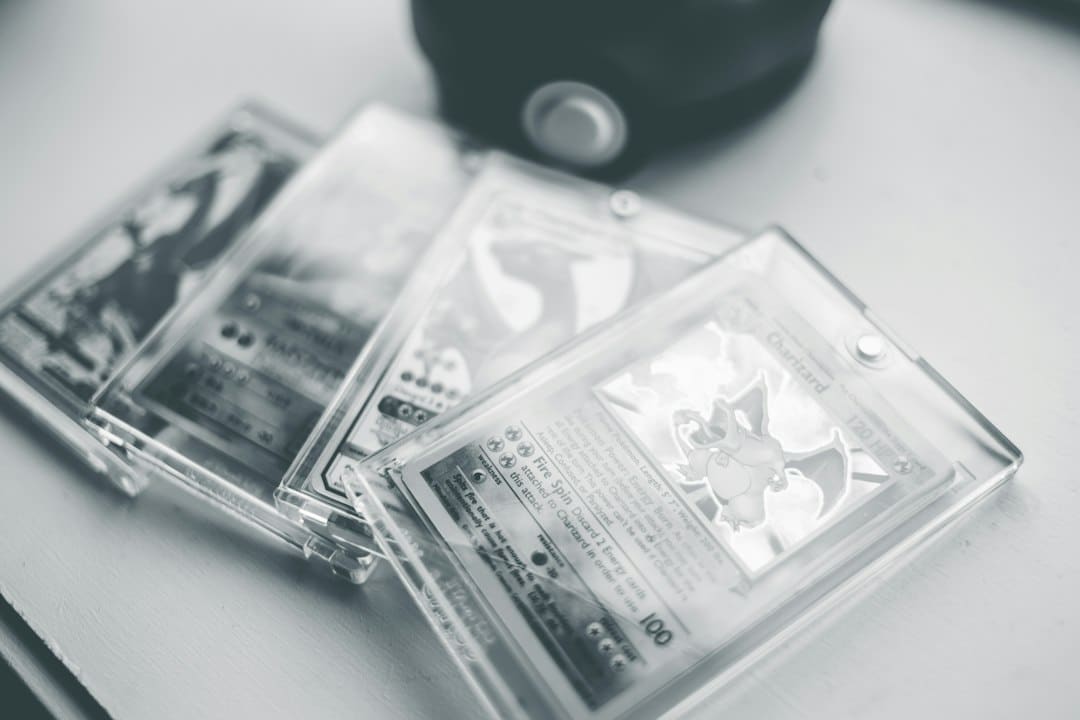
Through our Kids Free initiative, eligible young collectors can have their favourite cards restored without a service fee, covering only return shipping. Generous community members help support this effort by sponsoring cards for young collectors, passing on a respect for card conservation to the next generation 🌱.
Whether a card belongs in a child's starter binder or an advanced vintage collection, careful preservation keeps its history alive. If you want an honest assessment of your favourite cards, you can easily get a quote for Pokémon card restoration without creating an account or paying anything upfront. Just snap two clear photos—front and back, out of the sleeve—and we will give you a clear, honest appraisal.
Clear Standards Lead to Better Decisions
Card restoration does not need to be a taboo topic whispered about in dark corners of the hobby. When handled ethically, it is simply the thoughtful preservation of collectable art.
Keeping your personal collection goals distinct from shifting third-party grading rules lets you make smart, confident choices for your cards. Third-party grading represents the practical opinion of an authenticator on a given day; honest restoration is about helping your cards look their absolute best safely and transparently.
Ready to see what careful, professional conservation can do for your collection? Send two photos for a free restoration quote, no account needed, and let our UK workshop show you the difference that ethical preservation makes 🪄!