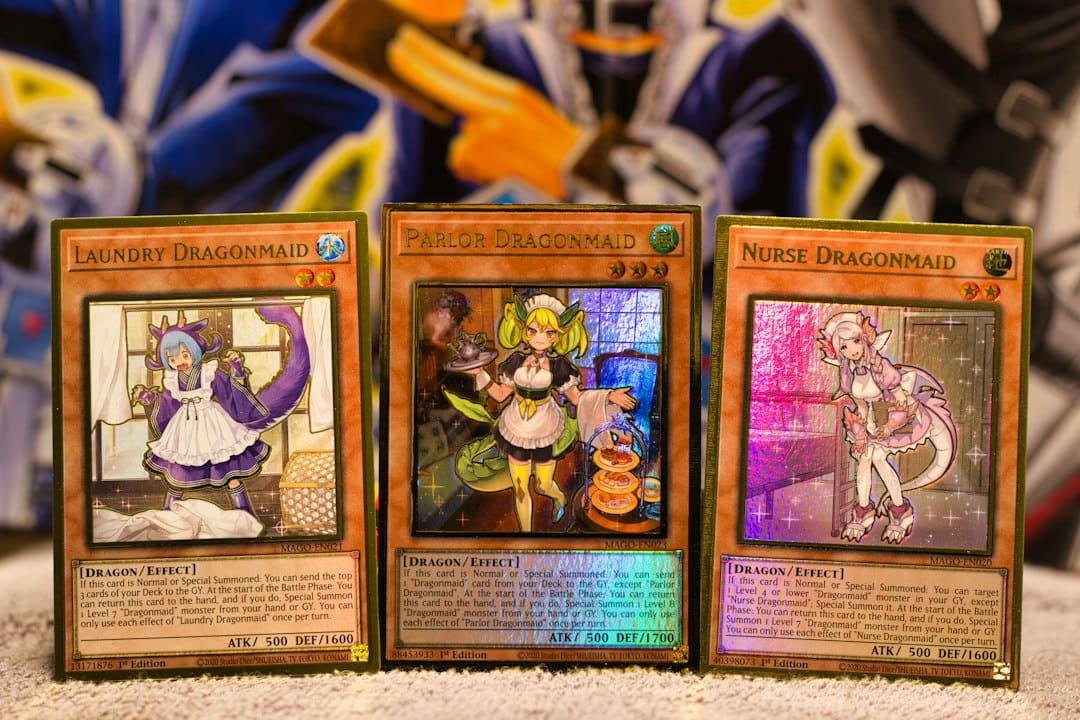
Many collectors consider card restoration to improve a favourite Pokémon card before submitting it to a grading company. It is vital to understand that grading services such as PSA, BGS, and CGC operate under their own independent criteria. A grade represents a single company's subjective opinion of a card on a specific day. Cleaning, pressing, or repairing damage can sometimes be interpreted as an alteration, which may affect how a grading company assesses, labels, or rejects the submission.
Deciding whether to restore a card depends on your personal goals. For a private binder or family keepsake, preserving appearance and halting decay is often the main priority, and whether that card remains authentic is entirely your choice. However, when grading or selling, transparency is essential. Attempting to disguise flaws or conceal previous work from a grading service is unethical. You should always review a grading company's current policy regarding conservation, cleaning, and foreign substance detection before submitting any altered card.
At YIAN, every card submitted to our Tonbridge workshop undergoes a thorough in-hand assessment before any physical work begins. We clearly advise owners on which non-invasive steps may be suitable for their personal collection and which methods might carry grading risks. We never promise specific numerical grades, grade bumps, or financial returns. Restoration should focus on honest conservation and visual preservation, allowing collectors to make informed decisions that match third-party standards without misleading future buyers.