
Inside the Workshop: Real Results Beyond the Magic Wand
We have all seen those viral clips on social media, haven't we? 🪄
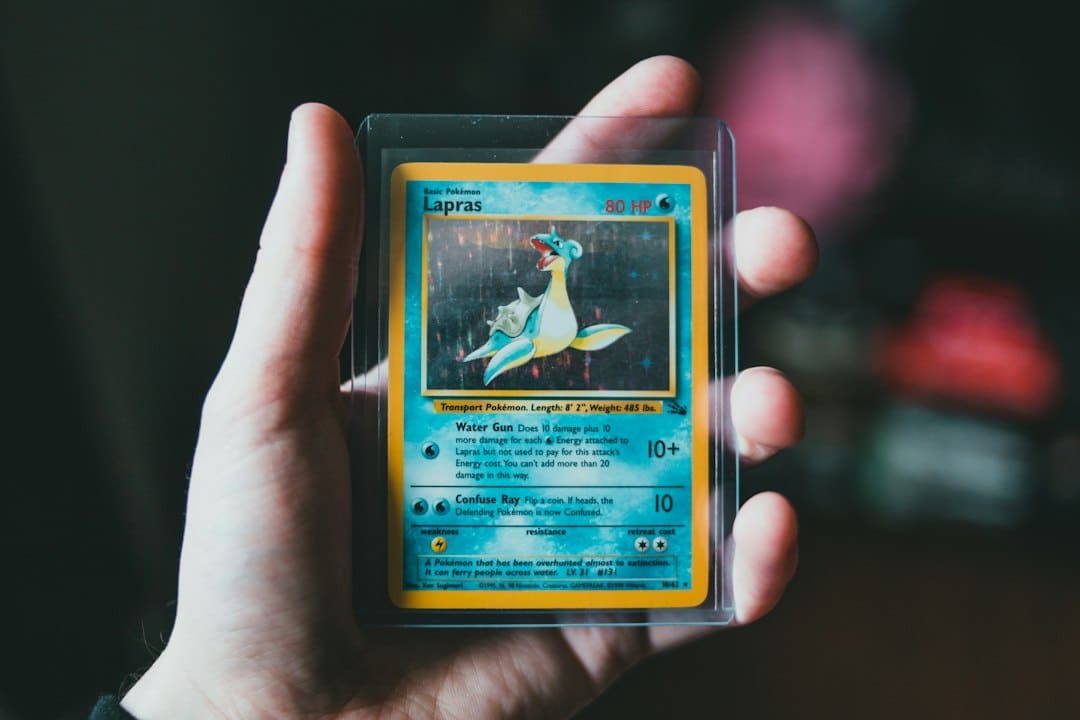
A vintage holographic card lands on a bench looking like it barely survived a spin cycle in the washing machine, or spent three straight terms rattling around loose in a primary school playground pocket. A few jump-cuts later—set to an upbeat, trending soundtrack—it magically emerges gleaming like it was pulled from a fresh booster pack five minutes ago.
It looks incredible on a five-second smartphone loop. But let’s be entirely real for a moment: real life is not an edited video reel.
Genuine paper conservation does not happen with the wave of a magic wand. It demands infinite patience, surgeon-steady hands, specialised tools, and, above all, an honest eye. If you have spent hours hunting for authentic Pokémon card restoration before and after transformations, you deserve to see what actually happens to bent corners, cloudy foils, and caked-on surface grime when treated by a dedicated UK restorer.
Every vintage card sitting in an attic or a binder tells a unique story. Sometimes, that story is full of playground trades, casual weekend battles, damp shoeboxes, and careless shuffles without protective sleeves. Those battle scars carry genuine nostalgia, but they can also leave a prized card looking tired, dull, and sad.
When collectors send their treasures to our workbench, our goal is clear: bring the card back to its best possible condition for what you want it for. Whether that means returning your childhood starter to a proud display binder or stabilising a rare grail piece for the long haul, we treat every single piece of cardboard with bespoke care.
Before you splash your hard-earned cash on an expensive DIY kit or take a risky gamble at your kitchen table, you can explore our straightforward Get a Quote | Pokémon Card Restoration process to see what is realistically achievable for your piece. No smoke, no mirrors, and no false promises—just honest conservation. 💡
The Anatomy of Cardboard: Why Paper Restorations Are Unique
To truly understand how restoration works, we have to look under the microscope at how Pokémon cards are actually made. 🔬
A Pokémon card is not simply a piece of plastic or a sheet of glossy printer paper. It is a carefully engineered sandwich of organic cellulose wood fibres, binding adhesives, mineral coatings, and micro-thin metallic foils.
These botanical fibres behave a lot like tiny dry sponges. When humidity levels swing up and down over the decades, those microscopic fibres expand, contract, warp, and breathe.
When a card gets creased, squashed, or dented, those delicate paper strands get crushed out of alignment. If you treat paper with aggressive chemical solvents or drench it in water, those fibres drink the moisture, swell unevenly, and end up permanently warped. That is why professional conservation requires a deep understanding of paper mechanics. You are coaxing these fibres back into their natural resting alignment without stripping away their structural integrity.
The Reality of Card Damage: What We Fix and What We Cannot
Not all damage responds to treatment in the same way. Paper fibres possess physical memory. Once paper snaps, bends, or stains, it reacts according to physical laws, not wishful thinking.
Think of card fibres like the branches of a young willow tree. You can bend a green branch gently, and with the right support, it settles back into place. But snap that branch clean in half until it splinters, and no amount of wishing will knit the wood back together seamlessly.
Here is an honest, behind-the-bench breakdown of how common card ailments behave under professional care:
1. Bent Corners, Warping, and Dents
Light pressure marks, soft indentations, binder-ring dings, and curled corners can often be eased back into place. Using controlled, non-invasive techniques, we relax compressed card stock without flattening out the original manufacturing texture. We do not use brutal hydraulic force that squashes the life out of card stock; we gently coax the internal fibres into relaxing.
2. Holo Clouding and Light Scratches
Years of handling leave behind microscopic grime, natural skin oils, and airborne dust that form an oily, milky veil over the metallic foil. Careful surface cleaning lifts that cloudiness, restoring the radiant optical clarity, pop, and shine that made you fall in love with the card in the first place. ✨
3. Surface Dirt, Age Spotting, and Pocket Grime
Old pocket lint, sticky residues, and decades-old muck safely lift away with specialised, card-safe dry and moist methods. Nothing harsh, nothing abrasive, and zero supermarket cleaning sprays anywhere near your card.
4. Deep Creases and Hard Folds
Here is where clear expectations matter most. When card stock suffers an aggressive fold, the internal paper fibres snap completely, creating a distinct white stress fracture. That internal break is permanent. We can flatten the raised physical ridge so the card slides effortlessly into a binder sleeve without catching, but that fracture line will remain visible. Anyone telling you they can erase a fractured white crease without repainting the card is selling you a fantasy.
5. Water Stains and Ink Loss
Liquid is paper’s greatest enemy. Moisture bleeds dyes deep inside the inner blue or black core layer. While we offer a clearly limited colour touch-up for small white spots up to 1mm on card backs and vintage yellow borders, large patches of missing print cannot be repainted. Original factory ink matrices cannot be hand-painted back on without fundamentally turning the card into an altered art piece.
If you ever feel uncertain about whether a crease has snapped the fibres, you can ask us about your card on WhatsApp before you post anything to get quick, direct guidance from our bench. We are always happy to look at a quick snap and give you a candid, no-nonsense opinion! 📱
The Hidden Perils of Modern Pokémon Card Holographics
Not all holo patterns were created equal. Over the decades, Pokémon card production techniques have evolved dramatically. Understanding these shifts is vital before attempting any cleaning or repair work.
Vintage cards from Wizards of the Coast (WotC)—like Base Set, Jungle, Fossil, and the beloved Gym series—feature a smooth, flat foil layer. They are prone to light surface scratches, micro-swirls, and an oily haze.
Modern cards, on the other hand (think Secret Rares, Full Arts, and Special Illustration Rares), feature micro-textured grooves pressed right into the surface. These ridges act like miniature canyons that trap dead skin cells, airborne oils, and fine dust.
Using the wrong polishing compound on a textured modern card is a recipe for disaster: the liquid gets trapped deep inside those tiny ridges, dries white, and ruins the card forever. That is why tailored, surface-specific approaches are the only safe way forward. 🛡️
DIY Kits vs Dedicated Workshop Care
Many collectors first encounter card care through retail repair bundles, like Kurt's Card Care kits or hobby polish sprays. These DIY kits have built a massive following across the community, especially for modern sports cards and slick chrome finishes. They provide handheld tools, polishing liquids, and microfibre applicators designed for collectors who enjoy tinkering at home.
The DIY approach certainly has its place for cheap, modern cards, but it carries immense risks when applied to delicate vintage Pokémon cardboard:
| Factor | DIY Retail Care Kits | Professional Workshop Service (YIAN) |
|---|---|---|
| Initial Cost | £30 to £80+ for bottles, cloths, and tools | Fixed £30 per card, no tools to buy |
| Learning Curve | High; requires testing on throwaway cards | Handled directly by an experienced restorer |
| Risk of Ruin | High if chemicals or moisture over-saturate paper | Non-invasive by default; tested safety protocols |
| Equipment | Basic handheld tools and chemical solutions | Specialist bench presses, precision optics, fine tools |
| Transparency | You work alone at your kitchen table | Card photographed on arrival; unboxing recorded |
| Edge Safety | Polishes easily seep into raw edge fibres | Dry and micro-controlled applications protect edges |
| Preservation Ethics | Temptation to over-polish or add substances | Strict conservation focus to protect original materials |
DIY card products often rely on liquids, blends, and polishes. If applied unevenly to vintage English or Japanese paper stock, these solutions can soak right into the raw cut edges.
The result? Edge swelling, internal layer separation (delamination), and unsightly chemical discolouration under UV black light inspection. Once a chemical stain seeps into the raw edge of a vintage card, it is locked inside the paper matrix forever.
Instead of juggling polishes and risking your favourite vintage cards, you can rely on our fixed-rate care. Restoration is £30 per card. See what we can improve before you pay anything by taking advantage of our simple, upfront photo evaluation. Why take on the stress yourself when you can lean on dedicated workshop expertise? 🧘
Step-by-Step: The YIAN Workshop Workflow
We believe absolute peace of mind matters just as much as flat corners and sparkling foil. Sending a treasured childhood keepsake through the post can feel nerve-wracking. We completely get it. That is why our entire workshop process is engineered around radical transparency, constant communication, and documented proof every step of the way. 📦🔍
1. Free Digital Photo Quote
You snap two clear, well-lit photos (front and back, completely outside the penny sleeve or top-loader) and upload them directly via our website. No complicated account creation, no subscriptions, and no hidden fees. We review up to 12 cards per quote and get back to you within two working days with a detailed, honest assessment of what can be salvaged.
2. Filmed Intake and Raking Light Inspection
Once your parcel arrives safely at our UK workshop, we record the unboxing process. Your card is placed under direct, low-angle raking light and high-magnification optics. This crucial step highlights every micro-scratch, dent, edge nick, and roller mark, creating a definitive record of its starting condition.
3. Owner Treatment Plan Approval
We never rush into cleaning or altering a card. We touch absolutely nothing on your card until you read and approve our individual treatment plan. You stay in complete control of the process from start to finish. If you only want surface grime removed and prefer to leave a particular dent untouched, that is entirely your call.
4. Non-Invasive Conservation
We settle in at the bench. Using micro-mechanical tools, precision humidity chambers, and non-invasive methods, we ease out surface indentations, lift decades of stubborn grime, and bring cloudy holos back to life. Nothing is added to the card stock unless you specifically requested our optional 1mm edge colour touch-up during your initial quote.
5. Final Macro Inspection and Insured Return
After a comprehensive quality review, your card is carefully sleeved in archival-grade, acid-free inner sleeves and semi-rigid holders, protected by rigid outer packaging. We return your items using fully tracked and insured postal services so you can follow its journey home without biting your nails.
Want to see these steps in real time? You can watch real before-and-afters from the workshop on TikTok @yian.uk where we break down actual card recoveries stage by stage. Watch how flat, cloudy cards regain their showroom sparkle! 🎬✨
Grading vs Personal Binder Collections: An Honest Perspective
There is an endless, often heated debate across the hobby regarding card restoration. Some vintage purists claim that even lifting surface dirt makes a card "altered", while other collectors aggressively wipe down every modern card before submitting them to third-party grading services.
At YIAN, we cut through the forum noise by focusing on two very different collecting goals:
1. For Your Personal Collection
If the card is bound for your personal binder, a custom framed display on your office wall, or a cherished family heirloom passed down to your kids, the choice belongs entirely to you.
A conservator’s primary job is not to leave a card trapped in an actively deteriorating, dirty state. It is to bring the card back to its best possible visual condition so you can appreciate the artwork every time you flip the page.
Preserving a piece of art does not diminish its history; it protects it for the next generation.
2. If Your Goal is Third-Party Grading
Grading companies like PSA, CGC, BGS, or ACE Grading maintain their own private grading standards, internal guidelines, and rotating teams of human graders.
Whether a restored card sails through inspection or gets questioned comes down to that specific company's criteria and the subjective judgement of an individual grader on any given afternoon. A grade is simply an opinion captured at a single moment in time, not a universal scientific law.
When you evaluate potential submissions, it helps to review broader market values first; our guide on how to track, value, and protect your Pokémon cards with YIAN outlines good record-keeping habits for any growing collection.
A transparent word on grading risks: We never promise a specific numerical grade, an upgraded subgrade, or a guaranteed pass through third-party services. Anyone who guarantees a "PSA 10" from a restoration service is misleading you.
Before we begin work on any card, we will tell you openly which non-invasive techniques align cleanly with third-party standards (such as removing organic surface debris and clearing light foil clouding) and which adjustments (like our edge colour touch-ups) carry a risk of being flagged as altered. We document every single modification with absolute integrity.
For collectors who want to study card pricing trends, population reports, and historical auction values before committing to a restoration, you can look up your card and compare price references with YIAN Card Tools to see where your card stands in current market sales. 📈
Archival Science: How to Store Your Cards Post-Restoration
Once your card returns from our bench, the ball is in your court to keep it looking pristine. Even the most carefully conserved card will deteriorate if stored in a humid garage, a damp basement, or directly under harsh sunlight.
Here is our essential workshop guide to archival card care:
- Avoid PVC Like the Plague: Always check that your sleeves and binder pages are labelled "PVC-Free" and "Acid-Free". Polyvinyl chloride (PVC) contains plasticisers that degrade over time, breaking down into an acidic, oily film that eats straight through card ink. Stick strictly to polypropylene or mylar.
- Ditch the Shoebox: Store your collection in a dark, climate-controlled space. Fluctuating temperatures cause paper to absorb moisture, which leads to warping and mold growth. Throw a couple of food-safe silica gel packs into your card storage boxes to keep humidity between 45% and 55%.
- Beware of Direct UV Light: UV radiation from direct sunlight will bleach the rich cyan, magenta, and yellow inks from vintage Pokémon cards within months. If you display your cards on a shelf, make sure you invest in UV-resistant acrylic display frames.
Real Collector Stories: Trustpilot Feedback
We treat every submission that arrives on our desk as if it came straight from our own childhood binders. We understand the memories and emotional weight locked up inside these pieces of cardboard.
Here is what fellow collectors have to say about our workshop care:
"I sent two retro Pokémon cards to Yian for repairs and cleaning, and I couldn’t be happier with the results—they look like new! She kept me informed throughout the process, explaining what needed repairing and providing regular updates and detailed reports. Amazing work and excellent communication. I’ll definitely be using Yian again. Thank you!"
— Andrew Dave (Customer, UK, Trustpilot review, 25 October 2026) ⭐⭐⭐⭐⭐"Absolutely Amazing service from start to finish, would happily recommend to anyone wanting to bring life back to their Pokémon cards… Have sent 3 cards up to now and have more to send. A thoroughly transparent and efficient service throughout."
— James Kean (Customer, UK, Trustpilot review, 27 October 2026) ⭐⭐⭐⭐⭐
Giving Back: The Kids Free Initiative 💛
We also believe in passing the magic of the hobby forward to the next generation of collectors. Through our Kids Free initiative, young hobbyists can receive completely free restoration work on their favourite, battle-worn cards—they only cover the return shipping costs.
Whether it is a beat-up Pikachu or a creased starter they adore, we believe every child deserves to see their most cherished card restored to its best condition. This community programme is made possible by generous adult collectors who choose to sponsor a kid's card or gift a restoration when submitting their own cards.
Assessing Your Card: When to Restore and When to Leave It
Before packaging up your cards, take a quiet moment to evaluate them under a bright desk lamp. Tilt the card slowly at a 45-degree angle. Look closely across the surface:
- Look for Foggy, Dull Foils: Are there stubborn smudges, fingerprint oils, or a milky film across the artwork? These are ideal candidates for safe, residue-free restoration.
- Check the Corners and Edges: Is there a soft bend at the corner from being dropped on the floor, or slight warping from being stored in an open drawer? These can often be relaxed back into shape.
- Spot Hard Structural Damage: Are you dealing with peeling foil, missing paper, severe gouges through the illustration, or deep water stains that bleed through the borders? Those flaws run right through the core layers and will see limited change.
Whenever you want to research values across raw and graded variations, remember you can check market metrics with our dedicated Pokémon Card Tools for Your Collection before deciding on restoration. Taking a quick look at the market helps you make an informed decision on whether a card warrants restoration.
If you ever feel stuck or unsure about how your card will respond to bench treatment, simply chat with YIAN on WhatsApp to get friendly, knowledgeable feedback directly from our restorer. Send us a clear photo or video clip, and we will give you a clear, honest assessment right away. 💬
Frequently Asked Questions
Will card cleaning cause my card to be flagged as "Altered"?
Standard, non-invasive cleaning—such as clearing away surface dust, dried grime, and fingerprint oils—is widely accepted across the collecting community and does not count as altering card construction. However, adding physical materials, using chemical solvents that leave residues, or choosing colour touch-ups can result in an "Altered" designation from major grading companies. We discuss these options with you in advance so you can make the right call for your card.
Can you fix deep foil scratches on vintage cards?
Scratches that cut deep into the metallic holofoil layer mean that material has physically been scraped away from the card. While our cleaning techniques lift the milky oxidation and haze around scratches (making them significantly less noticeable under standard light), the physical gouge cannot be filled in without adding artificial resins, which violates our preservation standards.
How long does the workshop restoration process take?
Most submissions take between 7 to 14 working days from the moment your card arrives at our workshop. This allows enough time for filmed intake, custom treatment planning, delicate moisture-relaxation cycles, careful cleaning, and an unhurried macro inspection before tracked dispatch.
Is my card insured while it is at your workshop?
Yes. From the moment your parcel is safely logged in our workshop through to tracked return delivery, your cards are handled in a secure, climate-controlled studio and returned via fully insured, signature-tracked postal services.
Honest Craftsmanship for Treasured Cards
Preserving your collection should never feel like an expensive gamble or a nervous experiment at the kitchen sink. While off-the-shelf DIY kits ask you to risk your favourite childhood cards with tricky polishes and homemade scrapers, our UK workshop offers an accountable, step-by-step alternative backed by steady hands and clear ethics.
We provide transparent evaluations, video check-ins, and dedicated bench techniques refined over hundreds of delicate restorations. We treat your vintage treasures with the patience, respect, and skill they deserve.
Whether you have a vintage Charizard with a cloudy holo, a prized Neo Revelation foil that needs a new lease on life, or a sentimental Base Set Pikachu with a curled corner, we are here to help. Discover true Pokémon card restoration before and after standards with a team that values your cards as much as you do.
Send us your photos today, and let us bring your favourite pieces back to life! ✨🎴