Topic · 1 article

Pokémon card restoration before and after

Before-and-after Pokémon card restorations from the YIAN workshop: what improved, what didn't, and how each card was documented.

Pokémon card restoration before and after articles

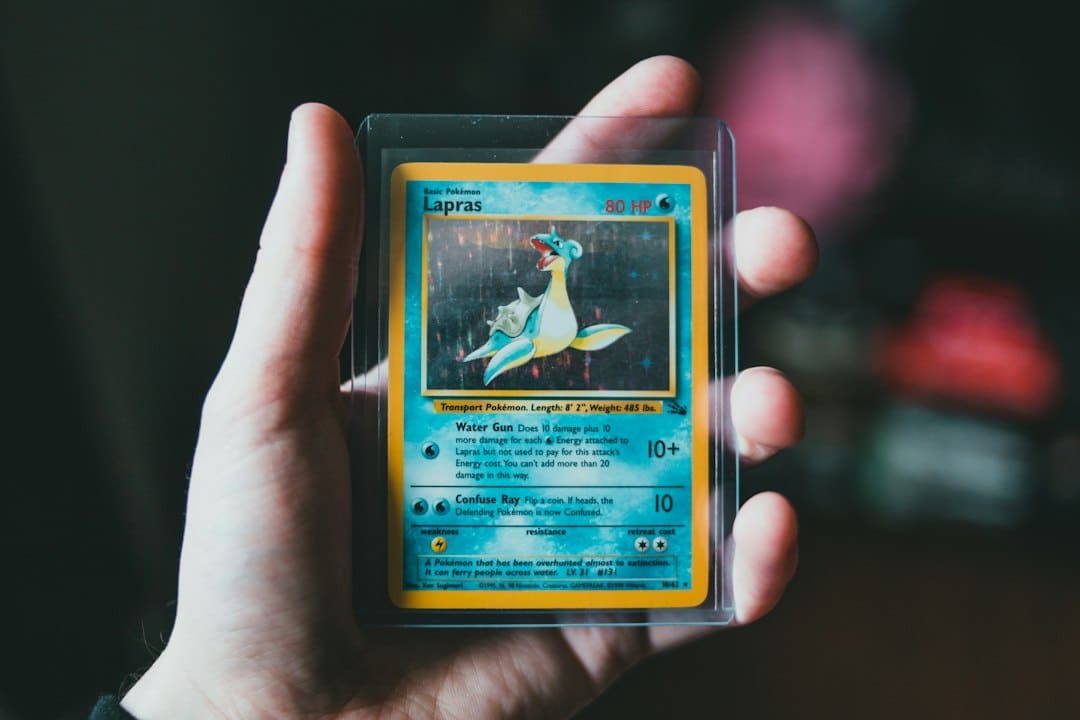
pokemon trading card on persons hand

Pokémon card restoration before and after

Before and After: Pokémon Card Restorations from the YIAN Workshop

Bent corners flattened, dents eased out, grime and holo clouding improved, one card at a time. A look at the kinds of restorations we share on TikTok, what each type of damage involves, and how we plan the work around what you want the card for.

16 min read

About this topic

Pokémon Card Restoration Before and After: Real Results

Before and after images of restored Pokémon cards can look astonishing on social media, but understanding what is genuinely achievable matters before you send off a treasured card. Genuine card restoration focuses on careful, non-invasive conservation rather than miraculous rebuilding. Grime, surface residue, slight surface bends, light scratches, and clouding over foil can often be significantly improved. However, paper has physical limits. While flattened corners and cleaned foil look vastly fresher in a binder, card fibres that have fractured cannot magically knit themselves back together completely seamlessly.

Collectors often wonder whether restoration will erase deep creases, severe water damage, or large missing chunks of cardboard. In reality, deep creases that have crushed the internal layers of the card stock can only ever be eased, leaving faint lines where the structural paper integrity broke. Similarly, water damage frequently distorts the cellulose fibres permanently. Reputable restorers will never trim edges, apply artificial glossy clear coats, repaint intricate character artwork, or fill missing corners with foreign card stock. Transparent before-and-after comparisons show realistic softening of damage, not counterfeit perfection.

At the YIAN workshop in Tonbridge, Kent, every card undergoes in-hand assessment and photographic documentation before any work starts. Whether a restored card belongs in your personal collection is entirely your choice, but expectations must be clear if you plan to submit it for grading. Every grading company applies its own standards, and conservation or cosmetic touch-ups can be treated as alterations. A grade is simply one company's opinion on a single day. Honest restoration work aims to preserve sentimental and visual appeal, and any treatment should always be openly disclosed to grading services and prospective buyers.
FAQ

Pokémon card restoration before and after: frequently asked questions

Short answers to what collectors ask us most about this.

Can deep creases be completely removed from a Pokémon card?

Deep creases involve crushed or torn paper fibres within the core of the card stock. While careful flattening techniques can ease the severity of the fold so the card sits flat in a sleeve, the crease will almost always remain visible under angled light.

Restoration cannot reweave broken card fibres or rebuild missing structure. If a crease has broken the ink on the front or back, that line will persist even after the card is professionally pressed and flattened.

What kinds of damage show the best before and after results?

Surface grime, oils, sticky residue, and cloudy deposits over holographic foil usually show the most dramatic visual transformations. Once this grime is safely cleaned away, the original artwork and holographic shine can re-emerge without altering the card.

Minor surface impressions, light edge bends, and shallow dents also respond very well to non-invasive smoothing. Flattening corners that have slightly curled preserves the visual appeal and lets the card sit comfortably inside a binder page.

Does restoring a Pokémon card hurt its authenticity?

For your own personal collection, whether a cleaned or restored card still counts as authentic is entirely your choice. Many collectors appreciate non-invasive conservation that removes harmful grime and stabilises the card so it can be enjoyed safely.

Issues arise primarily when work is concealed. Trimming borders, repainting artwork, or applying artificial sealants cross the line into invasive alteration. Ethical card conservation focuses purely on non-invasive cleaning and gentle physical easing without adding foreign substances.

Can a restored Pokémon card be sent for professional grading?

Restored cards can be submitted, but each grading company applies its own standards, and any cleaning, restoration, or touch-up work can be classified as an alteration. Some types of work, such as cosmetic touch-ups, are far more likely to be flagged than gentle surface cleaning.

Grading firms form an opinion on a single day, and no restorer can guarantee acceptance, a specific numerical grade, or a grade increase. You should check the grading company's current policy and always disclose any conservation work rather than hiding it.

How does edge wear touch-up work on vintage cards?

Minor edge wear appears as small white specks where the coloured ink has rubbed away from the underlying paper stock. Subtle, optional colour touch-ups can carefully disguise pinpoint white spots up to one millimetre along outer borders.

This cosmetic process is generally limited to the blue backs of cards or the solid yellow front borders of vintage cards. Reputable restorers will not paint over complex background artwork, energy symbols, or the Pokémon illustration itself.

Why do some social media restoration videos look too perfect?

Many viral videos rely on clever lighting, rapid cuts, or digital filters that hide remaining flaws, hairline creases, and texture differences. In some extreme instances, online clips have featured card trimming or swapped cards entirely to fabricate dramatic results.

Genuine conservation respects the original paper. Honest before and after comparisons use consistent, high-resolution photography under identical lighting so you can clearly see both the improvements and the permanent scars that remain.

What does a professional restoration process involve at YIAN?

At YIAN, collectors begin by sending clear photos of the front and back for a free quote before posting anything. Once the fixed service price is paid and the card arrives in the Kent workshop, it is photographed and thoroughly assessed in hand.

The owner must approve the tailored plan before work starts. YIAN focuses on non-invasive cleaning, easing minor bends, and optional colour touch-ups on minor white spots, providing a comprehensive photographic Before and After report upon completion.

Can water damage and warping be corrected on trading cards?

Water damage is among the most challenging issues because moisture swells paper fibres, dissolving original glues and causing uneven shrinkage as it dries. While gentle flattening can reduce overall card warping, water stains usually cause permanent discolouration.

Holographic cards with water damage also face delamination, where the foil layer separates from the cardboard base. While stability can often be improved, cards with water damage will rarely return to a crisp, factory-flat state.

Should I tell a buyer that my Pokémon card was restored?

Yes, full transparency is the gold standard in trading card collecting. If you decide to sell a card that has been flattened, cleaned, or touched up, you should clearly describe the work done and provide clear photographs.

Buyers appreciate honesty, especially those seeking cards for binder collections who care mostly about display aesthetics. Concealing restoration work can lead to disputed sales, returned items, and damaged trust within the hobby community.

Can foil scratching and holo clouding be fixed?

Holo clouding caused by surface oxidation, dirt, and light residue can frequently be cleaned away, restoring much of the foil's original brilliance and light-catching pattern without harming the card.

Actual scratches that have physically gouged into the holographic foil layer are permanent. Because restorers cannot add clear coats, plastic resins, or buff down the foil layer, physical gouges will remain visible even after surface grime is removed.

YIAN account

Welcome back

Sign in to manage your YIAN account.

or continue with email

New to YIAN?

Talk to the workshop

Ask about a card, restoration suitability, or anything else — we'll reply by email.

Want a price for a card?Restoration is £30 per card. Send two photos for a quote — no account needed.

£30 per card · no account needed

Get a restoration quote

Restoration is a fixed £30 per card, plus return postage. Send two photos and we'll confirm we can help, usually within two working days.

Photos of the card front and back, out of the sleeve

Restoration counts as alteration for PSA and CGC. We'll advise what's safe for a grading submission, and we never promise a grade.