Topic · 1 article

Vintage Pokémon card restoration

Vintage Pokémon card restoration: what can and can't be restored on older cards, from yellow-border touch-ups to dents and holo wear.

Vintage Pokémon card restoration articles

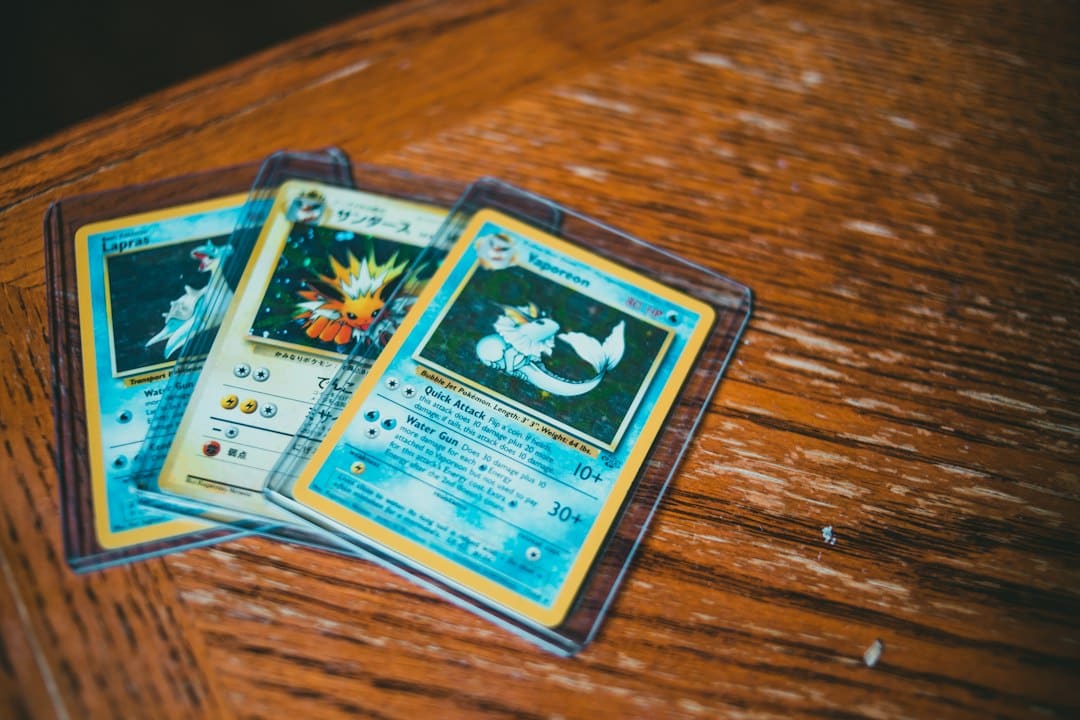
white and blue trading card

Vintage Pokémon card restoration

What Can and Can't Be Restored on a Vintage Pokémon Card

Surface dirt, scratches, holo wear, dents and bent corners often improve; deep creases, ink loss and water damage may not. A restorer's honest guide to vintage card damage, the optional colour touch-up for tiny white spots, and how to choose the right work for a personal collection or a grading plan.

15 min read

About this topic

Vintage Pokémon Card Restoration: What Can Be Fixed

Vintage Pokémon cards from the late nineties and early noughties often carry decades of play wear, grime and handling marks. Whether you have found an old childhood binder in the loft or purchased a Base Set classic online, professional restoration can safely tackle many common age-related flaws. The primary goal is usually to lift trapped dirt, reduce surface clouding and flatten bends without compromising the paper itself.

Understanding the physical limits of card stock is essential before attempting any repair. Standard restoration focuses on gentle, non-invasive techniques. Surface dirt, residue, light foil scratches, minor dents and softened corners can often be eased significantly. However, severe issues like deep structural creases, torn card layers, paper loss and water staining penetrate the fibres permanently and may show only slight cosmetic improvement.

For collectors keeping cards in personal binders, choosing to tidy up imperfections is entirely your own decision. If you intend to submit your card to a grading company, careful consideration is required. Grading companies each hold distinct standards regarding cleaning, restoration and touch-ups, and certain methods can be treated as alterations. Working with a dedicated specialist like YIAN ensures you understand these risks before any treatment begins.
FAQ

Vintage Pokémon card restoration: frequently asked questions

Short answers to what collectors ask us most about this.

Can dirty or grimy vintage cards be cleaned safely?

Yes, decades of accumulated dust, body oils, binder residue and surface dirt can generally be lifted using gentle, non-invasive methods. Because vintage cards have delicate paper fibres, this must be done without soaking the card or using abrasive chemicals that strip the original print finish.

A careful surface clean often reveals vibrant original colours and brightens the holofoil significantly. It is one of the most effective ways to refresh older cards without altering their original structure.

Can deep creases and bends be completely removed from older cards?

Light indentations, minor thumb bends and warped card stock can often be eased back into a flatter profile through controlled, dry flattening techniques. This helps the card sit naturally flat inside a sleeve, top-loader or binder page.

Deep creases that have physically fractured the core paper fibres or cracked the foil layer cannot be made invisible. While the overall bend can be pressed out to improve presentation, the crease line itself will usually remain.

How does restoration handle scratched holographic foil?

Vintage holofoil cards frequently suffer from fine hairline scratches and surface clouding caused by friction against binder plastic or other cards. Careful non-invasive work can ease minor scratches and clear grime away, restoring clarity and shine.

Deeper gouges that have gouged into the foil or scraped the metallic layer away cannot be filled or re-applied. The aim is to clean the existing surface to maximise reflectivity without adding coatings or sealers.

Is missing ink or edge whitening repairable?

White edge wear happens when the printed ink chips away from the edge, exposing the light cardboard beneath. Repainting artwork is never recommended, but tiny white flecks on the solid yellow borders of vintage cards or card backs can sometimes be touched up.

Colour touch-ups should be strictly limited to tiny spots no larger than one millimetre. You should never trim worn edges or attempt to fill larger patches of missing ink, as this permanently ruins the card's authenticity.

Will restoring a vintage card affect third-party grading?

Every grading company maintains its own rules and standards. Some organisations may classify cleaning, structural pressing or colour touch-ups as an alteration, which can impact how the card is graded or labelled. A grade represents one company's opinion on a single day.

Before submitting any restored card, always check the current policy of your chosen grading firm. Work carried out should never be hidden from a grader, and collectors should keep clear before and after records of any treatment.

Should I disclose restoration when selling a vintage Pokémon card?

Yes, full transparency is always best practice when dealing in collectables. You should clearly disclose any professional cleaning, dent easing or colour touch-ups in your listing description.

Providing potential buyers with high-resolution photographs and details of the work ensures they can make an informed choice, protecting both your reputation and the buyer's confidence.

Can water damage or warping on classic cards be undone?

Water damage typically alters paper fibres permanently, creating structural wrinkling, tide marks, swelling and separated layers. While gentle pressing can flatten uneven, warped card stock, the underlying fibre damage cannot be reversed.

Stains caused by moisture or liquid spills are absorbed into the cardboard matrix and can rarely be removed. Restoration can improve how flat the card lies, but visible staining will generally remain.

Why is trimming card edges considered bad practice?

Trimming involves cutting away worn, chipped or frayed edges with a blade to give the card clean borders. This reduces the original dimensions of the card and is viewed as severe, irreversible alteration throughout the hobby.

Professional restorers never trim edges. Removing original material destroys the historical integrity of the card and will be detected during professional authentication, severely harming the card's appeal.

How can I assess if my vintage card is worth restoring?

Assessing a card comes down to emotional attachment and the specific flaws present. If a beloved binder card simply looks dull, dusty or lightly curved, conservation work can bring back its charm without risk to the paper.

You can send clear front and back photos to YIAN to receive an honest appraisal of what can and cannot be improved. This in-hand approach lets you weigh the realistic physical outcome against your collecting goals before committing to work.

What happens if a card's condition is worse than expected on arrival?

Photographs often hide subtle issues like inner layer separation, deep pin dents or faint moisture rings that only reveal themselves under direct studio lighting and magnification. A responsible workshop will always review the card in hand first.

If an in-person assessment shows that proposed work will not yield a satisfying result, the plan should be paused. At YIAN, any change of plan is discussed with the owner, who can decline the work and have the card returned.

YIAN account

Welcome back

Sign in to manage your YIAN account.

or continue with email

New to YIAN?

Talk to the workshop

Ask about a card, restoration suitability, or anything else — we'll reply by email.

Want a price for a card?Restoration is £30 per card. Send two photos for a quote — no account needed.

£30 per card · no account needed

Get a restoration quote

Restoration is a fixed £30 per card, plus return postage. Send two photos and we'll confirm we can help, usually within two working days.

Photos of the card front and back, out of the sleeve

Restoration counts as alteration for PSA and CGC. We'll advise what's safe for a grading submission, and we never promise a grade.