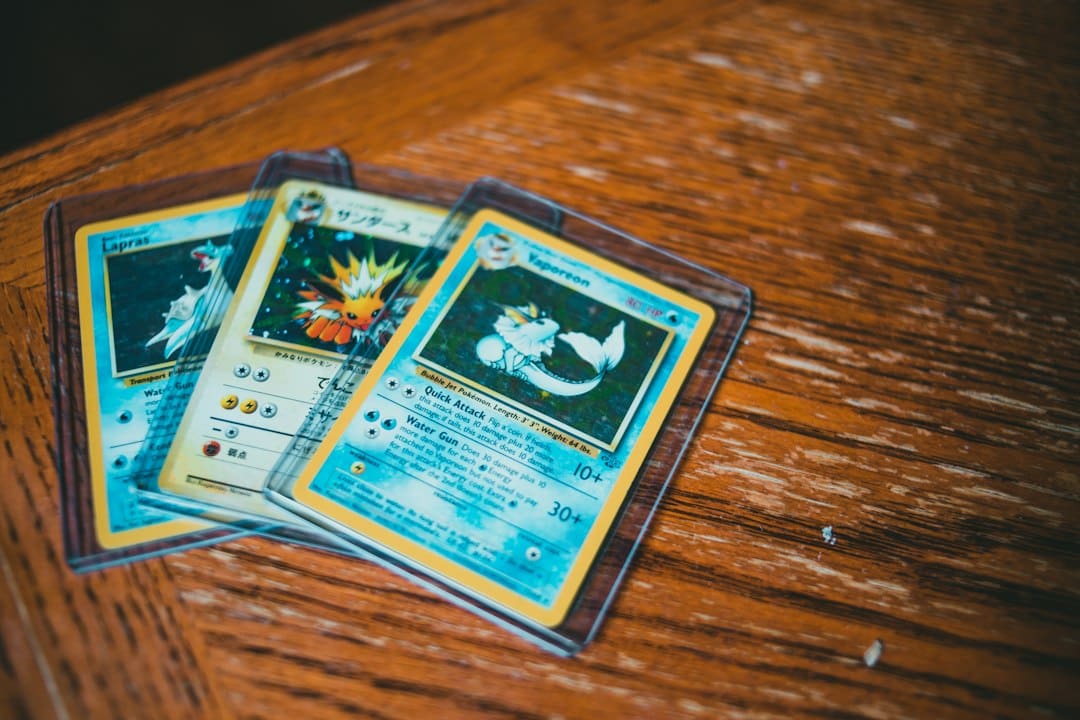
Mail-in card restoration allows collectors and parents to refresh treasured Pokémon cards without travelling to a specialist workshop. Most people look into this service because a favourite card has accumulated surface grime, edge whitening, or minor bending over years of play or storage. Sending a fragile collectible through the postal system can feel daunting, but a structured process with tracked delivery, photographic logs, and upfront assessments ensures the card remains secure and accounted for at every stage.
A reputable workshop focuses on non-invasive conservation rather than aggressive alterations. The standard work addresses surface dirt, sticky residue, minor indentations, light scratches, and subtle foil clouding without adding foreign substances to the card stock. Deep paper creases, water tide marks, tears, and extensive ink loss cannot be made invisible, so honest restorers set realistic expectations before taking on a project. Knowing the realistic limits of conservation prevents disappointment and preserves the genuine character of vintage cards.
At YIAN, based in Tonbridge, Kent, the mail-in journey begins with two clear photos of the card's front and back for a free quote within two working days. Collectors only ever pay the fixed thirty-pound restoration fee per card once it is confirmed the card can be helped, and cards are posted tracked only after payment. Every arrival is photographed and assessed in hand, ensuring owners retain full approval over the proposed plan before any conservation work begins.
Deciding to restore a card also involves considering its future. For a personal binder or family keepsake, how a card is preserved is entirely your choice. However, if you intend to submit the card to third-party grading companies or offer it for sale, professional standards apply. Restorative steps or minor colour touch-ups can be treated as alterations by grading services, which is why transparency and careful disclosure remain essential throughout the hobby.