Topic · 1 article

Does restoration affect PSA grading

Articles from the YIAN workshop on does restoration affect psa grading: practical, honest advice for Pokémon card collectors in the UK and beyond.

Does restoration affect PSA grading articles

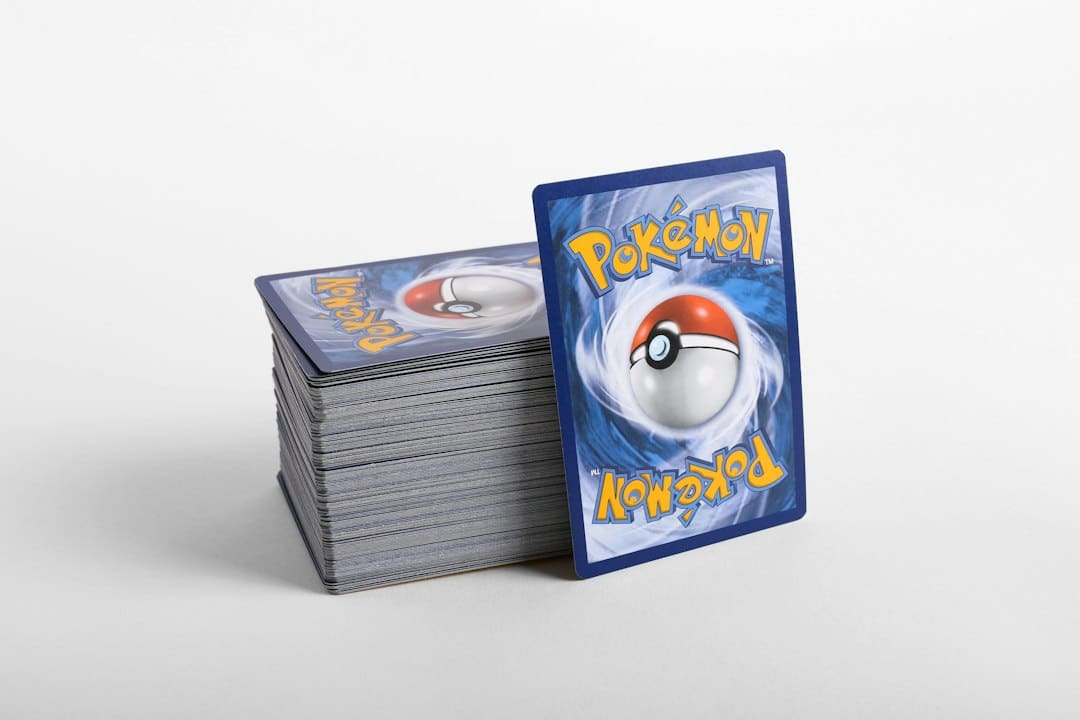
a stack of pokemon cards sitting on top of each other

CGC restored card

Can a Restored Pokémon Card Be Graded? YIAN Explains Grader Standards and Risks

Learn from YIAN how third-party grading services assess card treatments, which non-invasive repairs carry lower risk, and why clear restorer guidance matters before submitting.

11 min read

About this topic

Does Restoration Affect PSA Grading? A Clear Guide

Many collectors consider restoring a Pokémon card to improve its appearance before submitting it to PSA. However, card treatments can directly affect the outcome of a submission. Every grading company sets its own criteria, and grading services may treat cleaning, pressing, or repairs as alterations. Depending on what was done to the card, a grader might assign a lower grade, return the card without a numerical grade, or flag it as altered.

A grade is simply one grading company's opinion of a card on a single day, not a permanent guarantee. No restorer can ever promise that a treated card will receive a higher score, achieve a specific grade, or even be accepted for encapsulation. While light non-invasive work carries different risks than adding colour, there is always an inherent chance that any intervention will be flagged under a company's evaluation process.

At YIAN, we assess every card individually before starting any work to highlight which steps carry risks for third-party submission. We strongly believe that restoration should never be concealed from a grading company or from a future buyer if you sell the card. Always review PSA's current policy on alterations and cleaned cards before deciding to restore a card intended for a grading slab.

FAQ

Does restoration affect PSA grading: frequently asked questions

Short answers to what collectors ask us most about this.

Will PSA reject a restored Pokémon card?

PSA may refuse to give a numeric grade to a card if their graders decide it has been altered. Each grading company determines its own evaluation standards, and policies can change over time.

Depending on the nature of the treatment, a grader might label the card as altered, decline to encapsulate it, or return it ungraded. It is always wise to consult PSA's current policy before submitting treated cards.

Does professional card restoration guarantee a higher grade?

No restorer can promise a higher grade, a specific score, or even acceptance by a grading service. A grade is solely one company's opinion of a card on one particular day.

Even when physical flaws like minor dents or surface residue are improved, the grader makes their own independent judgement. Treating a card should never be viewed as a guaranteed way to increase a grade.

What is the difference between non-invasive cleaning and alteration?

Non-invasive cleaning focuses on lifting foreign surface debris, light residue, or easing minor bends without adding substances to the cardboard. It aims to reveal the original surface without structural changes.

Alteration generally involves adding foreign material, trimming card stock, repainting, or applying artificial sealants. However, grading services interpret these boundaries differently, so what one collector considers harmless cleaning may still be flagged by a grader.

Can PSA tell if a card has been touched up with ink?

Graders use magnification, special lighting, and technical equipment to inspect card surfaces and edges for any added substances. Colour touch-ups, even tiny spots on borders, introduce foreign ink that graders are trained to spot.

Adding colour carries a much higher risk of being flagged as an altered card compared to light, non-invasive cleaning. If your goal is professional encapsulation, you must factor in this significant risk.

Should I disclose restoration work to PSA when submitting?

Work done to a card should never be hidden from a grading service or a future buyer. Transparency protects everyone involved and ensures ethical standards across the hobby.

Hiding treatments can lead to rejected submissions or disputes later on. Always check PSA's current submission guidelines to see how they ask submitters to declare previous work or repairs.

Does YIAN advise on which restoration steps suit grading?

Yes. Before any work begins, YIAN assesses the card in hand and discusses the planned treatment with the owner, explaining which non-invasive steps carry lower risk and which options, like touch-ups, pose risks for grading.

We never start without customer approval, and we never guarantee a specific grading outcome. Our goal is to provide honest guidance so you can make an informed decision for your collection.

Can a card with deep creases achieve a high grade after repair?

Deep creases break the internal paper fibres of the card, meaning they rarely disappear entirely through restoration. While careful handling can sometimes ease the visual impact, the structural damage remains.

Graders look closely at the physical integrity of the card stock. Because structural flaws cannot be fully undone without invasive measures, severe creases will usually prevent a card from achieving a high grade.

Does restoring a card increase its market value?

Restoration should never be assumed to increase a card's monetary value. While an improved appearance might appeal to a personal collector, the market value of graded cards depends heavily on third-party opinions.

If a card is flagged as altered by a grading company, it could actually lower its appeal to certain buyers. For personal binders, value is subjective, but for resale, restoration does not guarantee financial gain.

Is restoring a card considered dishonest in the hobby?

Restoration is not inherently dishonest, but transparency is essential. For your own private collection, how you choose to care for or display your cards is entirely up to you.

Dishonesty arises only if someone attempts to pass off an altered or restored card as untouched original condition to a buyer or grading company. Open disclosure ensures complete integrity in the trading card community.

Where can I check PSA's latest rules on altered cards?

You should always check the official PSA website directly for their most up-to-date definitions, grading standards, and submission terms regarding altered or cleaned cards.

Grading standards and company guidelines can evolve over time. Reviewing their official documentation before posting your submission ensures you understand current risks and requirements.

YIAN account

Welcome back

Sign in to manage your YIAN account.

or continue with email

New to YIAN?

Talk to the workshop

Ask about a card, restoration suitability, or anything else — we'll reply by email.

Want a price for a card?Restoration is £30 per card. Send two photos for a quote — no account needed.

£30 per card · no account needed

Get a restoration quote

Restoration is a fixed £30 per card, plus return postage. Send two photos and we'll confirm we can help, usually within two working days.

Photos of the card front and back, out of the sleeve

Restoration counts as alteration for PSA and CGC. We'll advise what's safe for a grading submission, and we never promise a grade.