Topic · 1 article

Card restoration UK

Card restoration in the UK: how YIAN's Tonbridge workshop assesses, restores and documents Pokémon cards sent by mail.

Card restoration UK articles

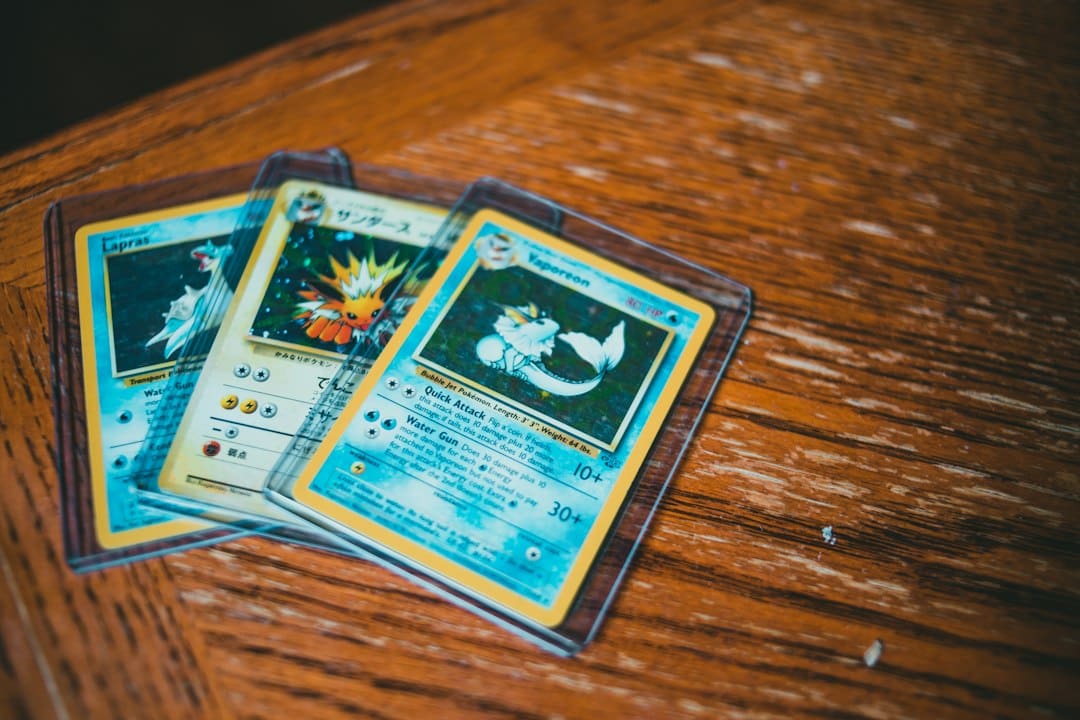
white and blue trading card

Pokémon card repair service

Pokémon Card Restoration in the UK: Transparent Pricing and Mail-In Process at YIAN

Learn how YIAN provides mail-in Pokémon card restoration across the UK for a fixed thirty-pound fee per card, complete with free photo quotes, filmed unboxings, and insured return postage.

15 min read

About this topic

Card Restoration UK: Mail-In Pokémon Card Care

UK collectors and parents searching for card restoration are usually looking to rescue a treasured Pokémon card without risking further harm. Whether it is a vintage holographic card showing dull surface wear or a modern favourite that picked up grime in a school binder, finding safe, professional help matters. The aim of proper conservation is to gently improve appearance and stability while respecting the card's integrity, ensuring you know exactly what is possible before parting with your card.

A common worry is that restorative work involves aggressive tampering like trimming frayed borders, painting over artwork, or applying synthetic lacquers. Genuine card restoration relies on conservative, non-invasive methods. Techniques focus on lifting surface dirt, flattening minor warping or light bends, and easing faint dents. Severe paper loss, deep creases, and heavy water stains cannot be fully reversed, so an honest initial assessment is vital to set realistic expectations before any card is mailed.

How restoration affects grading or market value is another major concern. Every third-party grading company maintains its own evolving standards, and any intervention can potentially be viewed as an alteration. YIAN offers a structured mail-in service from Kent, assessing cards in hand and clarifying which steps carry risks for grading. Whether a restored card belongs in your personal binder or goes forward for third-party encapsulation, full transparency about any work done is essential for ethical collecting.

Before sending cards anywhere in the UK, make sure you understand the exact process from start to finish. A trustworthy workshop will confirm the scope of work beforehand, insure the card in transit, and keep you informed at every stage. Restoring a Pokémon card should never be a gamble; it should be a measured, documented process that gives you complete control over what happens to your piece of gaming history.
FAQ

Card restoration UK: frequently asked questions

Short answers to what collectors ask us most about this.

What issues can card restoration fix on a Pokémon card?

Professional restoration focuses on non-invasive improvements. It safely removes grime, greasy fingerprints, and surface debris that build up over years of handling. Careful physical techniques can also soften minor surface dents, light bends, light scratching, and mild holographic clouding without adding synthetic compounds to the card stock.

It cannot completely cure structural catastrophes. Deep paper creases, large ink gouges, severe moisture swelling, and paper tears may improve slightly in appearance, but the card stock remains permanently altered beneath the surface.

Does restoring a Pokémon card hurt its authenticity?

For a personal binder, whether a cleaned card remains original is entirely your own choice. Gentle cleaning preserves the paper by removing corrosive oils and grime, helping it last longer in your collection.

When it comes to the wider market, ethical collecting requires complete disclosure. Altering a card must never be hidden from prospective buyers, as transparency maintains trust within the hobby.

Will a restored card get a higher grade from PSA, BGS, or CGC?

Restoration should never be undertaken with a promise or guarantee of a higher grade. A grade represents a single company's professional opinion on one specific day, and grading companies constantly update how they evaluate surfaces.

Cleaning or touching up a card carries the real risk of being flagged as an alteration. Always check the grading company's current policy before submitting work, and never attempt to conceal restorative treatment from graders.

Can deep creases or tears be repaired?

Deep creases break the internal paper fibres and split the glossy surface coating. While controlled pressure can flatten the profile to make the card sit better in a sleeve, the broken paper fibres remain.

Missing chunks of card stock or torn paper cannot be seamlessly re-woven without invasive paper rebuilding, which ethical card conservators avoid to protect original material.

What is the mail-in restoration process at YIAN?

Owners email two clear photographs of their Pokémon card to receive a free assessment within two working days. Once confirmed, you pay a fixed thirty-pound fee per card, plus return postage, before posting the card via tracked mail.

YIAN unpacks and assesses the card in hand at its Tonbridge workshop, confirming the exact plan before starting. If you decline changes to the plan, your service fee is refunded minus a twelve-pound assessment fee. Every step is photographed for a final report, and return delivery uses insured transit up to seven hundred and fifty pounds.

Are colour touch-ups safe for vintage Pokémon cards?

Careful colour touch-up can hide distracting white edge wear, but it must be strictly limited. It is best applied only to tiny white nicks up to one millimetre, such as those along vintage solid yellow borders or card backs.

Repainting detailed background artwork should never be done. Applying ink always counts as an additive alteration, which grading companies may penalise, so it should only be selected for cards staying in private collections.

How can I tell if a restored card has been altered?

Examine the card under strong direct light and high magnification. Signs of amateur work include unnatural surface gloss, bleeding ink, trimmed borders that measure smaller than standard cards, or stiff, chemically treated card stock.

Professional conservation aims to leave no foreign residues. Reputable services provide clear photographic documentation showing the card before and after treatment so you have a permanent record of the work.

What card restoration can I safely try at home?

Safe home care is limited to gentle prevention and very light dry surface wiping. Using a dry, clean microfibre cloth to remove loose dust before sleeving a card is generally safe if done with a very light touch.

Avoid moisture, household cleaners, solvents, or heat presses. Liquids easily penetrate unprotected edges, causing irreversible swelling, delamination, and ink smearing on vintage paper.

Is there a free restoration option for children's cards?

Young collectors often have heavily loved cards that mean the world to them but carry little financial value. Dedicated family initiatives can help restore these childhood treasures without commercial fees.

YIAN provides the Kids Free initiative, which restores eligible children's cards without any service fee, giving young collectors access to the same gentle care and careful handling as high-end vintage pieces.

How should I package a card when sending it for restoration in the UK?

Place the card into a fresh soft penny sleeve, taking care not to catch the corners. Insert that into a clean semi-rigid card holder or sturdy top loader to prevent movement during transit.

Sandwich the holder between two rigid pieces of cardboard secured with low-tack tape, and place it into a padded envelope or small box. Always send using a tracked and insured postal method to safeguard against loss.

YIAN account

Welcome back

Sign in to manage your YIAN account.

or continue with email

New to YIAN?

Talk to the workshop

Ask about a card, restoration suitability, or anything else — we'll reply by email.

Want a price for a card?Restoration is £30 per card. Send two photos for a quote — no account needed.

£30 per card · no account needed

Get a restoration quote

Restoration is a fixed £30 per card, plus return postage. Send two photos and we'll confirm we can help, usually within two working days.

Photos of the card front and back, out of the sleeve

Restoration counts as alteration for PSA and CGC. We'll advise what's safe for a grading submission, and we never promise a grade.