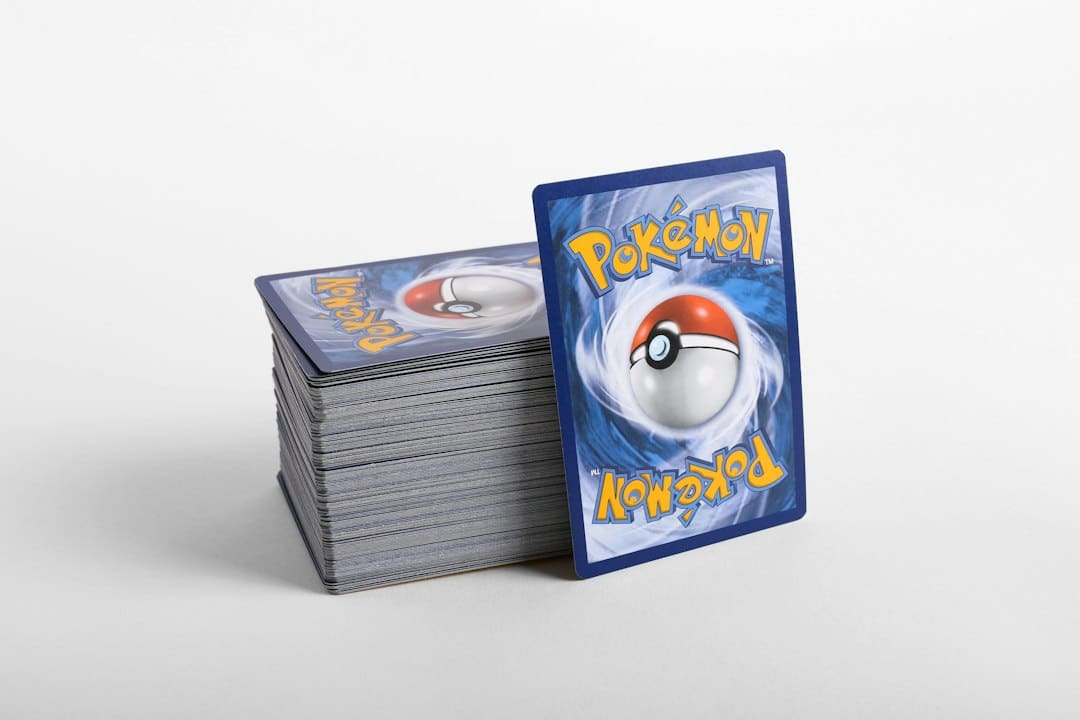
Many collectors wonder whether a Pokémon card can still be submitted for third-party grading after being cleaned or repaired. The simple answer is that restored cards can often be submitted, but acceptance depends entirely on the grading company and the exact work performed. Each grading company applies its own standards, and policies can change over time. While some light, non-invasive conservation may pass without issue, other interventions can be deemed alterations. Understanding these differences helps you make informed choices before spending money on grading fees.
A card grade is fundamentally one company's professional opinion on a single day. Third-party graders examine cards under high magnification and special lighting to check for surface manipulation, trimming, chemical residues, and added pigments. Non-invasive work that only removes external debris or eases minor surface compressions generally carries lower risk than invasive repairs. However, no outcome can ever be guaranteed, and you should never assume a restored card will automatically achieve a specific grade or even be slabbed with a numeric score.
Transparency is vital when planning to grade or resell any conserved collectible. Work should never be hidden from a grading service, and any treatments ought to be disclosed openly if you ever sell the card. For personal collections, whether a cleaned card remains desirable is purely your choice. Before proceeding with any restoration intended for grading, it is best to consult the grading company's current policy directly, ensuring you understand how they define alteration and surface treatment.
At YIAN, every card sent to our Kent workshop is assessed in hand before any work begins. We explain honestly which conservation steps suit future grading and which carry a higher risk of being flagged as altered. You stay in control of every decision, receiving detailed photographs before and after the process so that you know precisely what was done to your card.