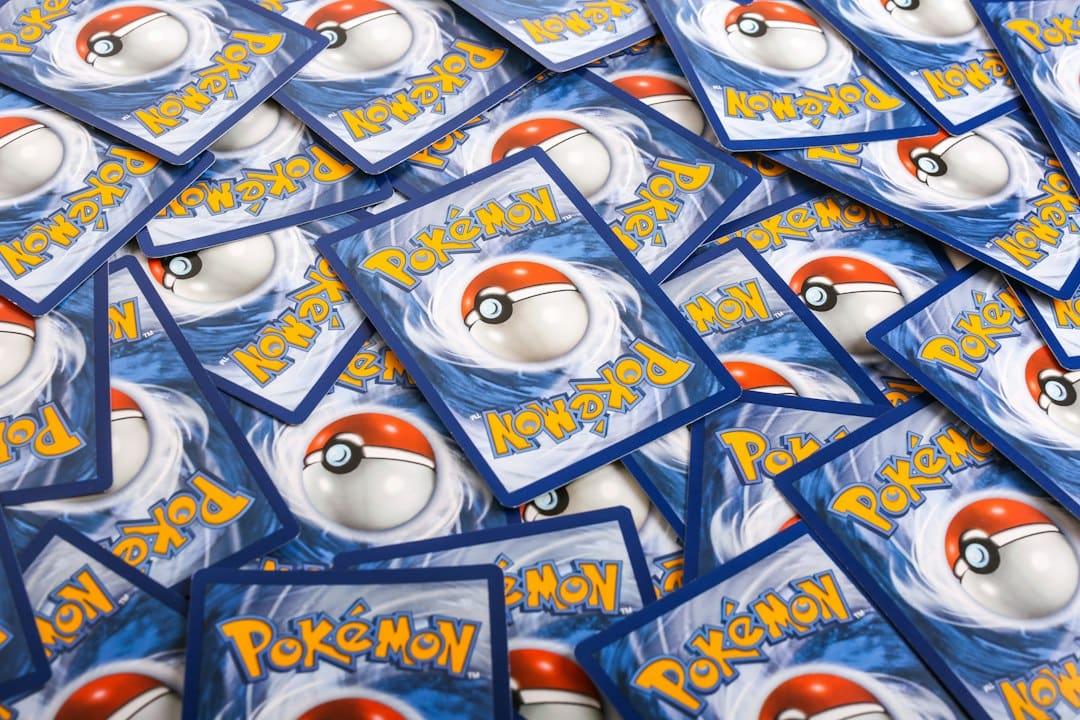
An altered Pokémon card is any genuine card that has been modified after manufacture. In the collecting community, the term covers a broad spectrum. It includes artistic customisations like hand-painted extended art, intentional physical tampering such as trimmed edges or pressed surfaces, and remedial care like cleaning grime or smoothing light dents. Understanding whether a card is considered altered depends heavily on context. What serves as an attractive personal keepsake or binder copy might be viewed very differently by a professional grading company or a prospective buyer.
For grading, major authentication companies apply their own distinct criteria, and their view on what constitutes an alteration can vary. Surface cleaning, dent removal, or minor colour work can sometimes be flagged as unauthorised alteration, resulting in a rejected submission, an authentic-only label, or a specific altered designation. A grade represents only one company's opinion on a single day. Work should never be hidden from a grading submission or a buyer, and collectors intending to submit cards should always review the specific grading company's current policy beforehand.
For a personal collection, the definition of originality belongs entirely to the card owner. Many collectors prefer to clean away decades of storage grime or ease minor bends so vintage cards present neatly in display binders. YIAN provides non-invasive conservation for card owners, assessing every piece in advance to explain clearly which gentle techniques suit third-party grading and which carry an alteration risk, ensuring complete transparency before any work begins.